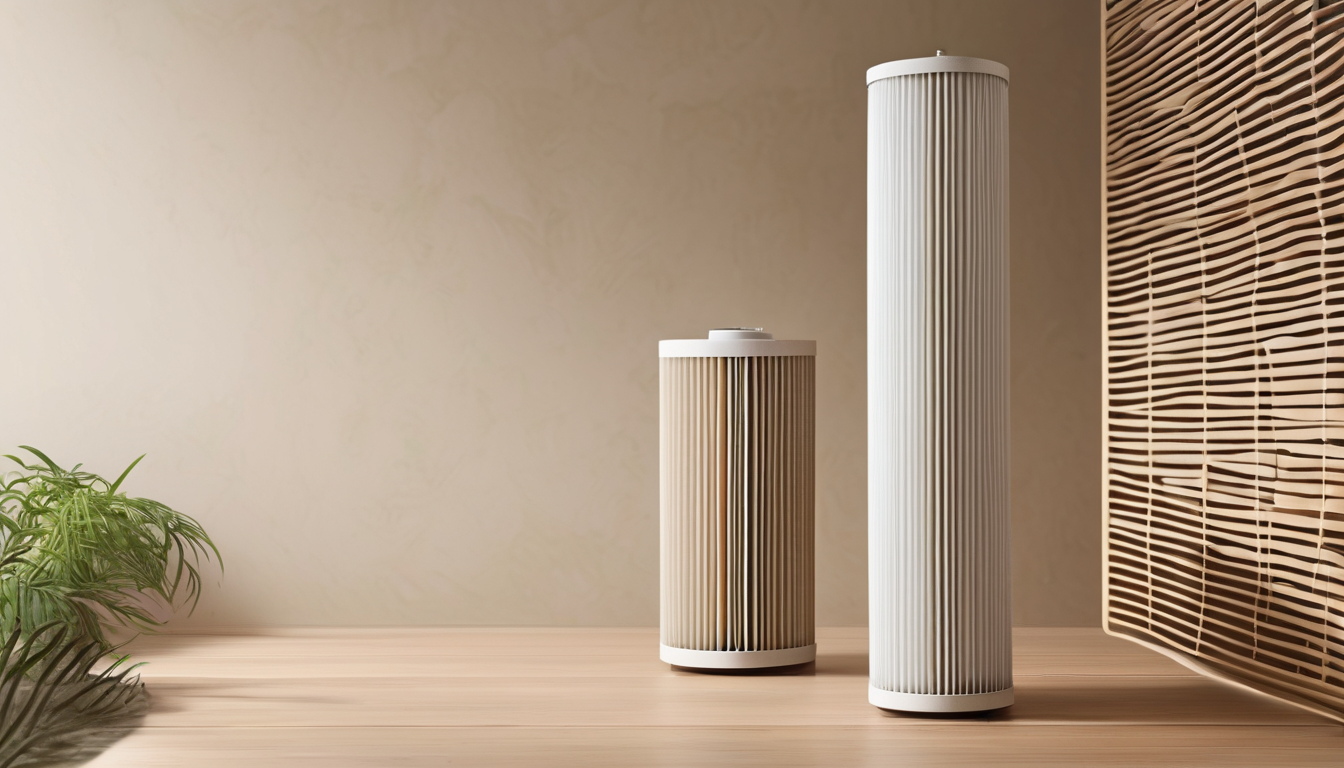
Dubai’s tap water undergoes rigorous treatment at municipal facilities, yet many residents remain concerned about water quality after it travels through ageing building pipes and storage tanks. The unique mineral composition and potential contaminants in Dubai’s water supply require specialised filtration approaches. Understanding the Best Water Filters for Dubai tap water quality begins with recognising that no single solution fits all households – the ideal system depends on your water test results, property type, and consumption patterns.
Throughout my decade of water quality engineering experience across the UAE, I’ve witnessed how the right filtration system can transform water safety and taste. The best water filters for Dubai tap water quality aren’t necessarily the most expensive or technologically advanced, but those that specifically address the local water characteristics while fitting your lifestyle. This guide will help you navigate the complex landscape of water filtration options available in the Emirates.
We’ll explore everything from basic pitcher filters to whole house systems, examining how each technology performs with Dubai’s distinctive water profile. You’ll learn why certain filter types excel at removing specific contaminants common in our region while others might prove insufficient. By the end of this article, you’ll be equipped to make an informed decision about the best water filters for Dubai tap water quality in your specific situation.
Best Water Filters For Dubai Tap Water Quality – Dubai Water Quality Characteristics
Dubai’s tap water originates primarily from desalination plants that process seawater from the Arabian Gulf. While this water meets safety standards at the treatment facility, it acquires certain characteristics during distribution that influence which water filters perform best. The water tends to be moderately hard, with elevated levels of calcium and magnesium minerals that can cause scaling in pipes and appliances. Total dissolved solids (TDS) typically range between 200-500 ppm, which is higher than many European water standards but within UAE regulations.
Another consideration is the chlorine residual maintained throughout the distribution system to prevent bacterial growth. While essential for safety, chlorine can affect water taste and potentially form disinfection byproducts. Many buildings in Dubai also have storage tanks that require regular cleaning, and contamination during storage represents another potential concern that the best water filters for Dubai tap water quality should address.
Common Contaminants in Dubai Water
The most prevalent issues we encounter through water testing include sediment from ageing pipes, chlorine and its byproducts, and occasionally elevated levels of heavy metals like lead or copper from plumbing systems. Microbial contamination, while rare in the main supply, can occur in building tanks that haven’t been properly maintained. These factors collectively inform our recommendations for the best water filters for Dubai tap water quality in different scenarios.
Best Water Filters For Dubai Tap Water Quality – Understanding Water Filter Technologies
Selecting the best water filters for Dubai tap water quality requires understanding how different technologies address local water issues. Reverse osmosis (RO) systems effectively reduce TDS and remove up to 99% of contaminants, making them popular despite higher costs and water waste. Activated carbon filters excel at removing chlorine, improving taste and odour, and reducing certain organic compounds, but they don’t reduce mineral content or TDS.
Ultraviolet (UV) purification effectively destroys microorganisms but doesn’t remove chemical contaminants or particles. Sediment filters capture rust, sand, and other particulates but don’t address dissolved contaminants. The most comprehensive approach often involves multi-stage systems that combine these technologies, with sediment pre-filters protecting more delicate carbon and RO membranes from clogging.
Emerging technologies like biomimetic membranes show promise for more efficient filtration, though they’re not yet widely available in consumer systems. For most Dubai households, the best water filters for Dubai tap water quality combine sediment filtration, activated carbon, and optionally RO technology depending on TDS levels and consumption needs.
Best Water Filters For Dubai Tap Water Quality – Best Water Filters for Apartments
Apartment dwellers in Dubai face space constraints and rental restrictions that influence filter selection. Under-sink RO systems represent excellent solutions for drinking water, typically costing between AED 1,500-3,500 installed. These compact units fit neatly beneath kitchen sinks and connect directly to your cold water line, providing dedicated filtered water through a separate tap.
Countertop filters offer installation flexibility without permanent modifications, making them ideal for rentals. High-quality countertop systems range from AED 800-2,000 and can effectively reduce chlorine taste and sediment. Faucet-mounted filters provide the most affordable entry point at AED 200-600, though their contaminant reduction capabilities are more limited.
For comprehensive apartment filtration, I often recommend a two-pronged approach: an under-sink RO system for drinking and cooking water paired with point-of-use filters on showers to reduce chlorine exposure. This strategy addresses both consumption and lifestyle needs while respecting space limitations common in Dubai apartments.
Whole House Filtration Systems
For villa owners and those with larger properties, whole house water filtration systems provide comprehensive water treatment throughout the entire property. These systems, typically installed where water enters the home, address all water uses from drinking and cooking to bathing and laundry. Prices for quality whole house systems in Dubai range from AED 5,000-15,000 depending on property size and filtration needs.
The best water filters for Dubai tap water quality in whole house configurations typically include sediment pre-filters to capture sand and rust, followed by activated carbon tanks to remove chlorine and improve taste. For areas with higher TDS, we might recommend adding a water softener or RO system specifically for kitchen use. Whole house systems particularly benefit families with children, individuals with sensitive skin, and those concerned about chlorine exposure during bathing.
Maintenance for whole house systems involves periodic filter changes every 6-12 months depending on water usage and quality. While the initial investment is higher than point-of-use options, whole house filtration provides the most comprehensive solution for Dubai’s water challenges.
Maintenance and Replacement Schedules
Proper maintenance proves crucial for sustaining the performance of the best water filters for Dubai tap water quality. Sediment pre-filters typically require replacement every 3-6 months, while carbon filters generally last 6-12 months depending on water quality and usage. RO membranes can function effectively for 2-3 years with proper pre-filtration protection.
In Dubai’s climate and water conditions, I recommend more frequent filter inspections than manufacturers might suggest. The higher mineral content and occasional sediment issues can accelerate filter loading. Many quality suppliers in Dubai offer maintenance contracts ranging from AED 600-1,200 annually, including scheduled filter replacements and system checks.
Ignoring maintenance schedules not only reduces filtration effectiveness but can actually worsen water quality as saturated filters begin releasing captured contaminants. Establishing a regular maintenance routine ensures your investment in the best water filters for Dubai tap water quality continues providing the protection you expect.
Cost Analysis and Budget Considerations
Investing in the best water filters for Dubai tap water quality involves both initial equipment costs and ongoing maintenance expenses. Basic faucet-mounted filters start around AED 200, while under-sink RO systems range from AED 1,500-3,500 installed. Whole house systems represent a more significant investment at AED 5,000-15,000 depending on property size and filtration needs.
Ongoing costs include replacement filters ranging from AED 200-800 annually for point-of-use systems to AED 1,000-2,000 for whole house maintenance. When evaluating costs, consider both your budget and the value of convenience, health protection, and potential savings on bottled water. Many families spending AED 300-500 monthly on bottled water find that a quality filtration system pays for itself within 12-18 months.
For those with budget constraints, I recommend prioritising drinking water filtration first, then expanding to other points of use as resources allow. Even basic filtration provides significant improvements over unfiltered Dubai tap water.
Professional Installation vs DIY Options
While some simple filter systems offer DIY installation, most of the best water filters for Dubai tap water quality benefit from professional installation. Certified technicians ensure proper integration with your plumbing, correct pressure settings, and optimal placement for maintenance access. Professional installation typically adds AED 300-800 to project costs but prevents leaks, damage, and performance issues.
In Dubai’s rental market, many landlords require professional installation for any permanent plumbing modifications. Even for simpler systems, professional installers can identify potential issues like low water pressure or incompatible plumbing that might affect performance. They also provide warranty protection and ongoing support that DIY installations lack.
For renters or those seeking temporary solutions, countertop and faucet-mounted filters offer viable DIY alternatives that still provide meaningful water quality improvements without permanent modifications.
Expert Tips for Water Filter Selection
Based on my experience with countless Dubai water systems, I recommend these strategies for selecting the best water filters for Dubai tap water quality:
- Always begin with water testing to identify specific contaminants rather than guessing your filtration needs
- Consider your household water consumption patterns – large families need higher capacity systems
- Evaluate both initial costs and long-term maintenance requirements before deciding
- Prioritise NSF-certified systems that have been independently verified for performance
- For apartments, focus on point-of-use solutions; for villas, consider whole house systems
- Factor in space constraints – measure available space before selecting equipment
- Choose reputable brands with local service support for maintenance and repairs
- Consider water waste – RO systems typically waste 3-4 litres for every litre purified
Frequently Asked Questions
How often should I test my water in Dubai?
I recommend comprehensive water testing annually, or whenever you notice changes in taste, odour, or appearance. Basic TDS testing can be done monthly with affordable meters.
Are water filters necessary if I only drink bottled water?
Yes – filtration protects during cooking, showering, and other water uses where contaminants can be absorbed or inhaled, not just consumed.
Can I install a water filter myself in a rental apartment?
Non-permanent options like countertop filters work well for rentals. For under-sink systems, consult your landlord and consider professional installation.
How much does professional water testing cost in Dubai?
Comprehensive lab testing ranges from AED 500-1,200, while basic TDS meters cost around AED 100-250 for home use.
Conclusion
Selecting the best water filters for Dubai tap water quality requires careful consideration of your specific water characteristics, household needs, and budget. From simple faucet filters to comprehensive whole house systems, the UAE market offers solutions for every situation. Remember that the most effective approach begins with water testing to identify specific concerns, followed by targeted filtration addressing those issues. Whether you choose point-of-use or whole house filtration, regular maintenance ensures ongoing protection for your family’s health and wellbeing.