When emergencies strike in the UAE, having the right water filtration system can mean the difference between safety and vulnerability. Emergency water filter types for UAE households range from portable survival filters to comprehensive whole-house systems, each designed to address specific contamination risks and emergency scenarios. The unique climate conditions, water infrastructure, and potential contamination risks in Dubai, Abu Dhabi, and across the Emirates require specially tailored solutions that can handle high temperatures, potential salinity issues, and infrastructure disruption. This guide examines the most effective Emergency Water Filter types for UAE households, helping you make informed decisions about protecting your family’s water supply during critical situations.
Understanding emergency water filter types for UAE households begins with recognising that not all emergencies are created equal. From temporary water main breaks to prolonged infrastructure failure, different scenarios demand different filtration approaches. The extreme summer temperatures in the UAE, which can exceed 45°C, also present unique challenges for water storage and filtration system performance. This comprehensive analysis will help you navigate the various emergency water filter types for UAE households, ensuring you select the right protection for your specific needs and circumstances.
Essential Emergency Water Filter Types for UAE Households
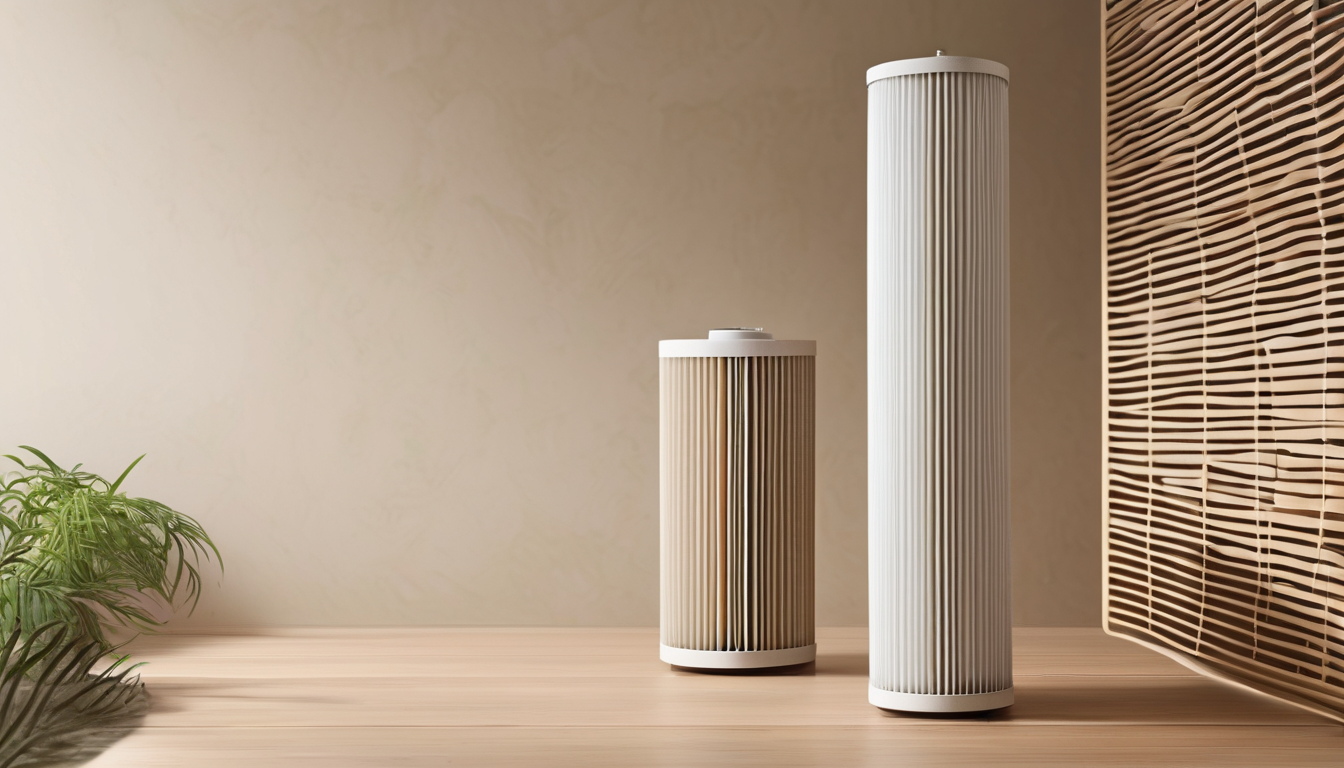
Emergency water filter types for UAE households fall into three primary categories, each serving distinct purposes during water crises. Portable emergency filters provide immediate, mobile filtration for short-term disruptions, typically capable of processing 100-1,000 litres before requiring replacement. These compact units often use ceramic, carbon block, or hollow fibre membrane technology to remove bacteria, parasites, and sediment. For UAE households, we recommend portable filters with temperature tolerance ratings up to 50°C, as summer conditions can significantly impact filter performance and lifespan.
Under-sink emergency filtration systems offer more permanent protection, designed for installation at point-of-use locations. These systems typically combine sediment pre-filters with carbon block or reverse osmosis membranes, providing comprehensive contaminant removal. In Dubai and Abu Dhabi, where water quality can vary significantly between districts, these systems provide consistent protection regardless of municipal water fluctuations. Many under-sink emergency water filter types for UAE households include built-in storage tanks, ensuring several days of emergency supply even during complete water service interruptions.
Whole-house emergency filtration represents the most comprehensive solution among emergency water filter types for UAE households. These systems integrate with your main water line, providing filtered water to every tap in your home. For villa owners in Dubai and Abu Dhabi, whole-house systems with multi-stage filtration – including sediment removal, carbon filtration, and sometimes UV purification – offer the highest level of emergency preparedness. These systems typically cost between AED 2,500 and AED 8,000 installed, depending on capacity and filtration technology.
Emergency Water Filter Types For Uae Households – Portable Emergency Filters for Immediate Response
Portable emergency water filter types for UAE households must address the region’s specific challenges, including potential high sediment levels and microbial contamination risks. Gravity-fed portable filters are particularly effective for family emergency kits, as they require no electricity and can process water while you attend to other emergency priorities. These systems typically feature ceramic candles or hollow fibre membranes with 0.1-0.2 micron pore sizes, effectively removing bacteria and protozoa that might enter water supplies during infrastructure damage.
Straw-style personal filters represent another crucial category among emergency water filter types for UAE households. These compact devices allow individuals to drink directly from questionable water sources, making them ideal for emergency go-bags. For UAE conditions, we recommend selecting straw filters with activated carbon components to address potential chemical contaminants that might leach into water supplies during flooding or infrastructure failure. These personal filters typically cost between AED 150 and AED 400 per unit and can process 1,000-4,000 litres before replacement.
Manual pump filters provide the highest flow rates among portable emergency water filter types for UAE households, capable of processing 1-2 litres per minute. These systems are particularly valuable for families needing to filter larger quantities of water for cooking and hygiene during extended emergencies. When selecting pump filters for UAE use, ensure they include pre-filters capable of handling the fine sand and sediment common in regional water sources. Many quality pump filters incorporate ceramic elements that can be cleaned and reused multiple times, extending their emergency usefulness.
Emergency Water Filter Types For Uae Households – Fixed Emergency Systems for UAE Homes
Fixed emergency water filter types for UAE households provide more permanent protection against water quality issues. Under-sink reverse osmosis systems represent the gold standard for point-of-use emergency filtration, capable of removing up to 99% of contaminants including heavy metals, chemicals, and microorganisms. These systems typically include sediment pre-filters, carbon blocks, and the semi-permeable RO membrane, plus a storage tank holding 8-12 litres of purified water. For UAE households, we recommend RO systems with automatic shut-off valves and leak protection, particularly important in multi-story buildings.
Countertop emergency filtration systems offer an excellent compromise between portability and performance among emergency water filter types for UAE households. These units connect directly to faucets or sit independently on countertops, providing high-volume filtration without permanent installation. Many modern countertop systems incorporate multi-stage filtration including sediment removal, carbon filtration, and sometimes UV sterilization. For Dubai apartments where under-sink installation might not be possible, countertop systems provide emergency protection at costs ranging from AED 800 to AED 2,500 depending on capacity and features.
Whole-house sediment filters form the first line of defense among fixed emergency water filter types for UAE households. These systems install at the main water entry point, removing sand, rust, and other particulates that commonly plague UAE water supplies, particularly after main breaks or infrastructure work. For comprehensive emergency protection, we recommend pairing whole-house sediment filters with point-of-use systems at kitchen and bathroom taps. This layered approach ensures that even during extended emergencies, your household maintains access to water suitable for both consumption and hygiene purposes.
UAE-Specific Emergency Filter Considerations
Selecting emergency water filter types for UAE households requires special consideration of regional factors that impact filtration effectiveness. The extreme summer heat throughout the Emirates affects both water temperature and filter performance, with many standard filters rated only for temperatures up to 38°C. We specifically recommend seeking filters rated for 45-50°C operation, as water sitting in pipes during Dubai’s summer months can easily reach these temperatures. Additionally, high temperatures can accelerate bacterial growth in stored water, making prompt filtration even more critical during emergencies.
Salinity concerns represent another unique factor when evaluating emergency water filter types for UAE households. Coastal areas including Dubai Marina, Jumeirah, and Abu Dhabi’s Corniche face potential saltwater intrusion issues during infrastructure failures or extreme weather events. Reverse osmosis systems effectively address salinity concerns, but require adequate water pressure to function properly – something that might be compromised during emergencies. For households in high-salinity risk areas, we recommend emergency systems with built-in booster pumps or alternative filtration methods for when water pressure drops.
Storage capacity considerations differentiate emergency water filter types for UAE households from standard filtration solutions. During extended emergencies, municipal water pressure might be insufficient to operate some filtration systems, making stored pre-filtered water essential. We recommend emergency systems with integrated storage tanks, or separate water storage solutions that can be filled when emergency warnings are issued. For a family of four, maintaining at least 200 litres of emergency water storage provides a 3-5 day buffer during most water emergencies common in the UAE.
Emergency Filter Installation and Maintenance
Proper installation significantly impacts the effectiveness of emergency water filter types for UAE households. While portable filters require minimal setup, fixed emergency systems demand careful placement and connection. Under-sink RO systems need adequate space for the filtration unit, storage tank, and drainage connection – considerations particularly important in UAE apartments where cabinet space may be limited. Whole-house systems require installation at the main water entry point, typically in utility rooms or storage areas that must remain accessible for maintenance.
Maintenance protocols vary significantly among emergency water filter types for UAE households. Portable filters typically use replaceable cartridges with lifespans measured in litres filtered, while fixed systems may require periodic membrane replacement and sanitization. In the UAE’s climate, we recommend more frequent filter changes than manufacturer specifications suggest, as high temperatures and potential sediment loads can accelerate filter exhaustion. Keeping spare filter cartridges and membranes as part of your emergency supplies ensures continuous protection during extended crises when replacement parts might be unavailable.
Testing and verification form crucial aspects of maintaining emergency water filter types for UAE households. Regular water testing using certified test kits verifies that your emergency systems continue functioning properly between uses. We recommend testing emergency water filters every 3-6 months, and always after filter replacement. During actual emergencies, having portable test strips allows quick verification that filtered water meets safety standards before consumption. Many UAE water treatment companies offer emergency filter maintenance contracts starting from AED 600 annually, providing professional testing and maintenance services.
Testing Water Quality During Emergencies
Water quality testing becomes particularly critical when relying on emergency water filter types for UAE households. During infrastructure failures or contamination events, water characteristics can change rapidly, requiring adjustment of filtration approaches. Basic test strips provide immediate results for parameters including pH, chlorine, hardness, and total dissolved solids – all important indicators of water safety and filter performance. For comprehensive emergency preparedness, we recommend maintaining test kits capable of measuring bacterial contamination, something particularly relevant after flooding or pipe breaks.
Professional water testing services complement portable test kits when evaluating emergency water filter types for UAE households. Many Dubai-based laboratories offer emergency water testing services with 24-48 hour turnaround, providing detailed analysis of microbial and chemical contaminants. During non-emergency periods, we recommend establishing a relationship with a local testing laboratory and understanding their emergency protocols. Having this connection established beforehand ensures quicker response when actual water emergencies occur and you need to verify the effectiveness of your filtration systems.
Documenting testing results creates valuable baselines for evaluating emergency water filter types for UAE households. By maintaining records of regular water quality tests, households can quickly identify deviations that might indicate emerging problems or filter failure. We recommend keeping a water quality logbook with your emergency supplies, including testing dates, results, and any maintenance performed on filtration systems. This documentation becomes particularly valuable during extended emergencies when professional help might be unavailable and you need to make informed decisions about water safety.
Expert Tips for Emergency Preparedness
Implementing effective emergency water filter types for UAE households requires strategic planning beyond simply purchasing equipment. First, conduct a household water audit to determine your minimum daily water needs – typically 4-6 litres per person for drinking and cooking, plus additional for hygiene. This calculation determines the capacity requirements for your emergency filtration systems. Second, establish multiple water sources, including stored water, filtration systems, and knowledge of alternative water sources in your area should municipal supplies become unavailable.
Third, rotate emergency water supplies every 6 months, treating stored water with appropriate preservatives if intended for long-term storage. Fourth, maintain redundant filtration methods – having both portable and fixed emergency water filter types for UAE households ensures continued protection if one system fails. Fifth, establish family emergency protocols including who is responsible for water management during crises and how to operate all filtration equipment. Practice these protocols regularly so everyone can respond effectively during actual emergencies.
Sixth, maintain relationships with local water professionals who can provide emergency support and advice. Seventh, monitor local emergency alerts and water advisory notices through official channels like Dubai Municipality and DEWA. Eighth, consider community-level emergency water planning, particularly if you live in a compound or building with shared infrastructure. Coordinating with neighbours ensures more comprehensive emergency preparedness and resource sharing during extended water crises.
Frequently Asked Questions
How often should emergency water filters be replaced in UAE households?
Replacement frequency for emergency water filter types for UAE households depends on usage and storage conditions. Unused emergency filters should be replaced every 12-18 months due to material degradation in high temperatures. During actual use, follow manufacturer guidelines for litre capacity, but reduce recommended lifespans by 20-30% to account for UAE’s challenging water conditions and high temperatures.
What’s the cost range for quality emergency filtration systems in the UAE?
Quality emergency water filter types for UAE households range from AED 300 for basic portable units to AED 8,000+ for comprehensive whole-house systems with backup power. Mid-range under-sink RO systems typically cost AED 1,500-AED 3,500 installed, while whole-house sediment filtration systems start around AED 2,000. Portable emergency filters for go-bags range from AED 150 to AED 600 per unit.
Can emergency water filters handle UAE’s high salinity issues?
Most emergency water filter types for UAE households cannot reduce salinity – only reverse osmosis and distillation systems effectively address salt content. For coastal areas prone to saltwater intrusion, RO systems represent the only practical emergency solution. Portable RO systems are available but require significant energy input, making them less ideal for prolonged emergencies without reliable power.
Selecting appropriate emergency water filter types for UAE households requires careful consideration of local conditions, potential risks, and household specific needs. From portable personal filters to comprehensive whole-house systems, the right combination of technologies ensures water security during infrastructure failures, contamination events, or natural disasters. By understanding the strengths and limitations of each filtration type, UAE households can create layered protection systems that provide reliable emergency water regardless of the crisis duration or severity.