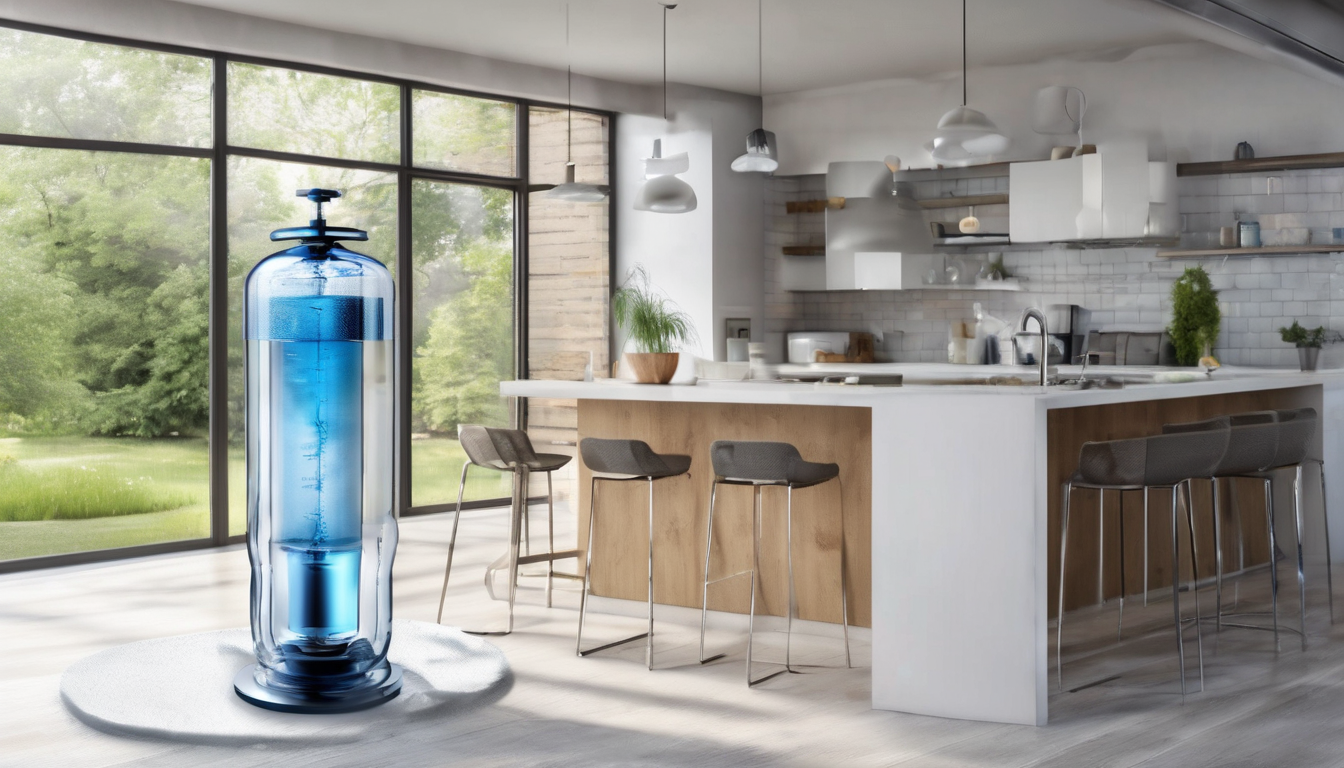
Understanding Whole House UV Filter Installation Best Practices is essential. —
—
Introduction
Water quality is a critical aspect of household safety in Dubai, and installing a whole house ultraviolet (UV) filter system can significantly improve the purity of water throughout your home. However, to ensure that this investment yields optimal results, it’s essential to follow best practices during installation and maintenance. This article outlines 10 key steps to guide you through the process.
—
Preparation Steps Before Installation
Understanding Whole House UV Filter Installation Best Practices
Before diving into the installation, familiarize yourself with the basics of whole house UV filter systems and their benefits. Understanding how these systems work will help you make informed decisions during the setup process.
Assessing Water Quality
Conduct a thorough water quality test using a reliable kit to identify any contaminants that need addressing. This data is crucial for selecting the right system components, such as the appropriate UV lamp intensity and prefiltration requirements.
—
Professional Assessment and Planning
Engaging Experts
Hire experienced professionals who specialize in whole house UV filtration systems to assess your home’s water quality and determine if a UV filter is suitable. They can also provide insights into the best system configurations based on local regulations.
Detailed Site Survey
Arrange for a detailed site survey by your contractor to measure distances between taps, identify pipe sizes, and confirm the availability of power sources. This information ensures that the installation process goes smoothly without any last-minute hiccups.
—
Detailed Installation Process
System Selection
Choose a reputable manufacturer known for high-quality UV filter systems. Look for certifications and testimonials to verify their reliability. Consider factors like system capacity, ease of maintenance, and compatibility with your home’s existing plumbing.
Pipe Sizing and Layout
Ensure that the pipes are properly sized to handle water flow without causing pressure drops. A well-planned layout minimizes leaks and maximizes efficiency. Consult a professional plumber for accurate measurements and layout diagrams.
—
Post-Installation Maintenance Tips
Regular Monitoring
Set up regular maintenance schedules to check the system’s performance, including lamp output and filter condition. Use a water quality test kit to monitor changes over time and adjust settings as needed.
Record Keeping
Maintain detailed records of all maintenance activities, including dates of service, parts replaced, and any issues encountered. This documentation can be invaluable for troubleshooting and future reference.
—
Troubleshooting Common Issues
Low Flow Rate
If you notice a decrease in water flow, check the UV lamp’s output or consider replacing it if worn out. A clogged prefilter could also cause this issue; clean and replace as necessary.
Lamp Failure
Replace the UVC lamp every 9-12 months to maintain optimal performance. Regular replacement ensures that your system continues to effectively disinfect water, protecting against harmful microorganisms.
—
Best Practices for UVC Lamps
Choosing the Right Lamp
Select a lamp with the correct intensity and wavelength suitable for your application. A higher intensity level ensures better germicidal effectiveness, while a shorter wavelength (254 nm) is ideal for broad-spectrum UV disinfection.
Proper Mounting Techniques
Mount the UV lamps correctly to ensure they emit light directly onto the water stream. Misalignment can reduce efficacy and increase the risk of waterborne pathogens.
—
Regular Filter Replacement Schedule
Sediment Filters
Replace prefiltration sediment filters every 3-6 months, depending on your local water conditions. This prevents particles from clogging the UV lamp or affecting its performance.
Carbon Filters
Consider installing a carbon filter to improve taste and odor before it reaches the UV chamber. Replace these filters every 6-12 months based on usage and water quality tests.
—
System Upgrades and Modifications
Technological Advancements
Stay informed about advancements in UV filtration technology, such as improved lamp efficiency or new filter materials. Regularly assess your system’s performance and consider upgrades to enhance its capabilities.
Compliance with Local Regulations
Ensure that any modifications comply with local water quality regulations and guidelines. Some areas may require specific certifications for systems used in residential settings.
—
Cost-Benefit Analysis of Whole House UV Filters
Initial Costs vs Long-term Savings
Evaluate the initial installation costs against long-term benefits, including reduced waterborne illnesses, improved taste and odor, and potential savings from fewer treatment chemicals. A whole house system can save you money in the long run by eliminating the need for bottled water or additional filtration devices.
Return on Investment
Calculate the return on investment over time to justify the expense. With proper maintenance, a UV filter can provide clean water for many years, offering excellent value for your budget.
—
Community Engagement for Water Quality Awareness
Hosting Workshops
Organize community workshops or seminars to educate neighbors about the importance of safe drinking water and how UV filtration systems work. Sharing knowledge helps build a collective understanding and support network.
Advocating for Better Standards
Participate in local forums and discussions about water quality standards. By voicing your concerns and supporting better regulations, you can contribute to improving water safety for all residents.
—
Conclusion
Installing a whole house UV filter system is a significant investment, but following best practices ensures that it delivers reliable and clean water throughout your home. From proper preparation and professional planning to regular maintenance and community engagement, each step plays a crucial role in maintaining the system’s effectiveness. By adhering to these guidelines, you can enjoy peace of mind knowing that your family has access to safe drinking water at every tap.
—
Tagline
“Protect Your Family with Clean Water – Follow These 10 Best Practices for a Whole House UV Filter System.”
—
Meta Description
Discover the top 10 essential practices for installing and maintaining a whole house UV filter system to ensure clean water in your home. Learn how to protect your family from harmful contaminants.
—
Excerpt
“Learn about the best practices for setting up and maintaining a whole house UV filter system in Dubai, ensuring clean water at every tap.” This relates directly to Whole House Uv Filter Installation Best Practices.
— Understanding Whole House Uv Filter Installation Best Practices is key to success in this area.
Alt Text
Whole House UV Filter Installation Best Practices – Step-by-step guide to installing and maintaining a reliable filtration system.