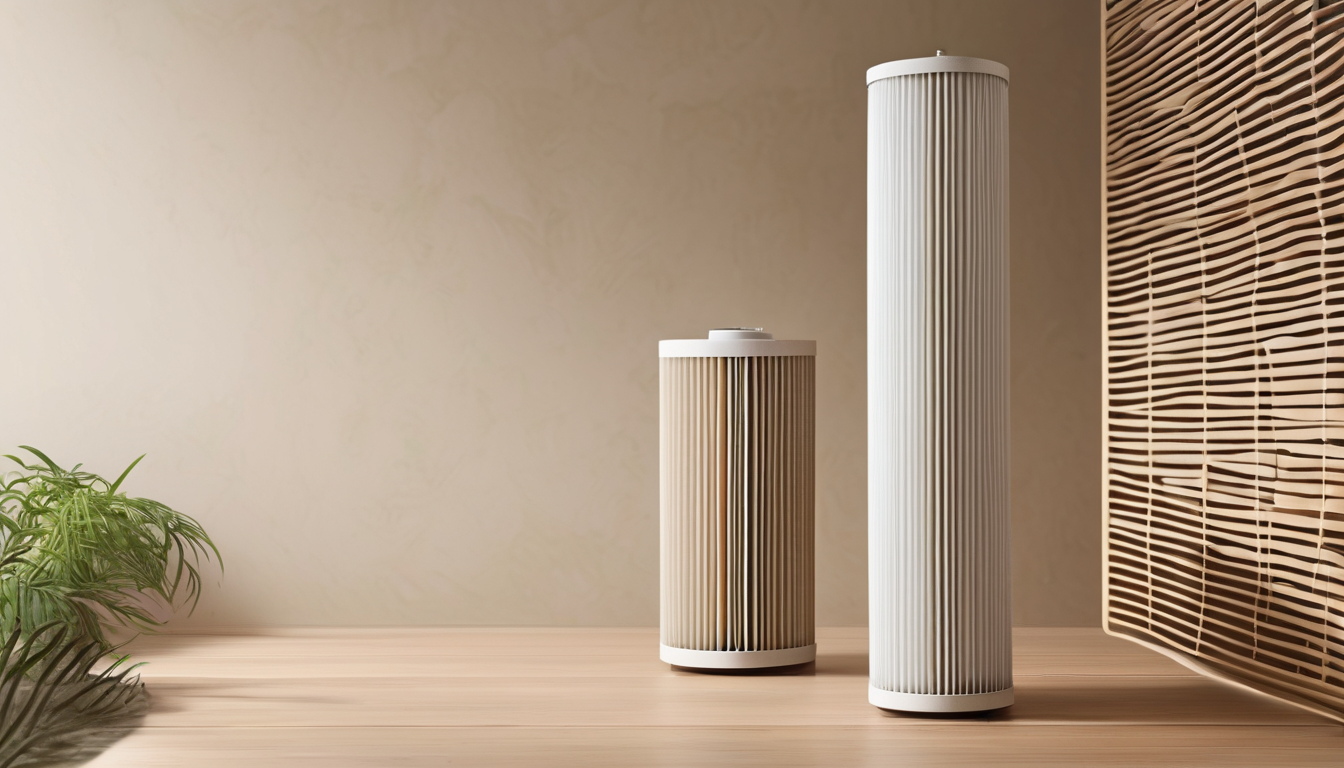
Understanding Whole House Water Filter Installation Steps is key to success in this area.
Table of Contents
- Understanding Whole House Water Filter Installation Steps
- Benefits of Whole House Filters
- Preparing for Whole House Filter Installation
- Choosing the Right Filtration System
- Installation Process
- Testing and Calibration
- Maintenance and Replacement
- Comparison of Whole House vs Point of Use Systems
- Smart Technology Integration
- Expert Tips for Installation Success
- FAQ on Whole House Water Filter Installation
- Conclusion
Understanding Whole House Water Filter Installation Steps
Understanding Whole House Water Filter Installation Steps is essential. Whole house water filtration systems are designed to purify water at the source, providing clean drinking and non-drinking water throughout your entire home. Understanding the installation process is key to ensuring a successful system that meets your family’s needs.
Whole House Water Filter Installation Steps: Benefits of Whole House Filters
Whole house filters offer several benefits, including:
- Removing heavy metals and other contaminants from water at the point of entry
- Protecting plumbing fixtures and appliances from mineral buildup
- Maintaining consistent taste and odor in all household faucets
- Potentially reducing the need for additional point-of-use filters
Whole House Water Filter Installation Steps – Preparing for Whole House Filter Installation
Before installation, ensure you:
- Contact a certified plumber or water filtration specialist
- Assess the current water quality with a comprehensive water test kit (Saniservice.com)
- Review local regulations and permits for installing home water filtration systems in Dubai
Choosing the Right Filtration System
Selecting the appropriate system depends on your specific needs:
- Reverse Osmosis (RO): Excellent for removing heavy metals and nitrates but may require more maintenance.
- Nanofiltration: Aims to remove larger contaminants while retaining beneficial minerals.
- Multistage Filtration: Combinations of carbon, sediment, and other filters for broad-spectrum purification.
Installation Process
The installation process typically includes the following steps:
- Shut off water supply to the home and release any pressure in the system by running faucets.
- Locate a suitable point of entry, usually near the main water meter or water heater.
- Install pre-filters if necessary for protecting your RO membrane from sediment.
- Attach the main filter to the chosen location and connect it to the plumbing system using appropriate fittings.
- Install post-filters as needed to improve taste, odor removal, or specific contaminant reduction.
Testing and Calibration
A comprehensive water test after installation is crucial:
- Use a certified water testing kit (Saniwater.com) to assess the effectiveness of your system.
- Adjust filter settings or replace filters as needed based on test results.
- Regularly monitor water quality and replace filters according to manufacturer guidelines.
Maintenance and Replacement
To ensure your system continues to function optimally:
- Replace pre-filters every 6-12 months, depending on water hardness and usage.
- Change main filters as per manufacturer recommendations, typically every 1-3 years.
- Inspect and clean post-filters every 3-6 months to maintain water quality.
Comparison of Whole House vs Point of Use Systems
Both systems have their advantages:
- Whole House System: More comprehensive, cost-effective in the long run for overall home water quality.
- Point of Use (POU): Less expensive initially, useful for specific areas like kitchen or bathroom faucets.
Smart Technology Integration
Incorporate smart technology to enhance your system’s efficiency:
- Install water quality sensors that monitor and alert you to potential issues (Saniwater.com).
- Set up automated filter replacement notifications for seamless maintenance.
Expert Tips for Installation Success
- Always consult with a certified plumber or water filtration expert.
- Use high-quality, branded components to ensure longevity and performance.
- Regularly check the system’s operation and make adjustments as needed.
- Keep detailed records of maintenance activities for future reference.
FAQ on Whole House Water Filter Installation
- Q: What is the typical lifespan of a whole house water filter?
- A: Lifespan varies based on usage and maintenance, typically 1-3 years for main filters.
Q: How often should I test my home’s water quality after installation?
A: Test annually or whenever you notice changes in taste, odor, or appearance of your water.
Q: Can a whole house filter remove lead from drinking water?
A: Yes, certain reverse osmosis systems are effective at removing lead and other heavy metals (Saniwater.com).
Conclusion
Installing a whole house water filtration system is a significant investment in your family’s health and home comfort. By following these steps, you can ensure the system functions optimally, providing clean, safe drinking water for years to come.