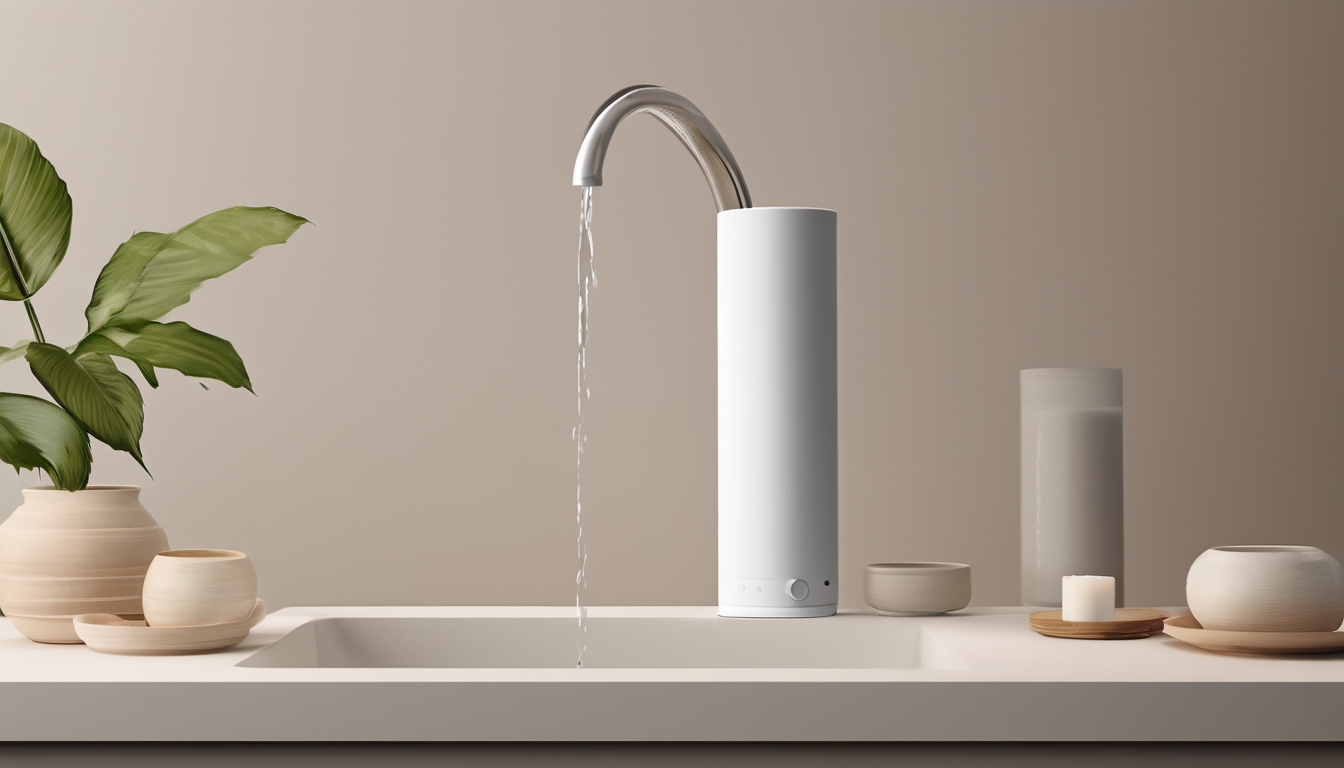
Ro Water Purifier systems represent a sophisticated approach to residential water purification, particularly relevant for Dubai households seeking to optimise their drinking water quality. Reverse osmosis technology operates through a semi-permeable membrane that removes dissolved solids, minerals, and potential contaminants, delivering water that meets specific purity standards. The implementation scope for a Ro Water Purifier varies significantly based on property characteristics, water source conditions, and household consumption patterns, making professional assessment essential for determining appropriate system specifications.
Dubai’s municipal water supply, while meeting potable standards, contains mineral compositions that many homeowners prefer to modify through filtration. A properly specified Ro Water Purifier addresses these preferences by reducing total dissolved solids while maintaining essential mineral balance. The technology has evolved to include multi-stage filtration processes that combine sediment pre-filtration, carbon filtration, and post-filtration mineralisation, creating a comprehensive water treatment solution for modern UAE residences.
How Ro Water Purifier Technology Works
Reverse osmosis represents a physical filtration process where water is forced through a specialised membrane with microscopic pores measuring approximately 0.0001 microns. This membrane effectively rejects dissolved salts, organic compounds, and other impurities while allowing water molecules to pass through. A complete Ro Water Purifier system typically incorporates multiple pretreatment stages including sediment filters to remove particulate matter and activated carbon filters to address chlorine and organic compounds that could damage the delicate RO membrane.
The heart of any Ro Water Purifier system remains the semi-permeable membrane constructed from thin-film composite materials. These advanced materials provide exceptional contaminant rejection rates while maintaining reasonable water flow rates. Modern systems incorporate automatic shut-off valves and permeate pumps that optimise water efficiency, particularly important in regions where water conservation represents a consideration. The purified water then passes through final polishing filters and often includes mineralisation cartridges that restore beneficial minerals for improved taste and health considerations.
Key Factors Affecting Ro Water Purifier Scope
Professional assessment determines the appropriate Ro Water Purifier configuration based on several property-specific variables. Water consumption patterns represent the primary consideration, with household size and usage habits directly influencing system capacity requirements. A typical Dubai villa with four occupants might require a different configuration compared to an apartment with two residents, reflecting variations in daily water consumption.
Water quality analysis forms another critical component of scope determination. Dubai’s water composition can vary between neighbourhoods and building types, with factors like pipe age and storage conditions influencing contaminant profiles. Professional water testing identifies specific parameters including total dissolved solids, chlorine levels, and potential microbial content, allowing for precise system specification. Property infrastructure considerations such as available installation space, water pressure characteristics, and drainage access also impact Ro Water Purifier selection and installation approach.
Water Consumption Patterns
Household water usage directly influences Ro Water Purifier capacity requirements. Systems are rated by their daily production capacity, typically measured in gallons per day. A professional assessment evaluates family size, drinking water consumption habits, and cooking requirements to determine appropriate system sizing. Underestimating capacity can lead to insufficient purified water supply, while oversizing may represent unnecessary investment and space utilisation.
Water Quality Considerations
Initial water testing establishes baseline quality parameters that guide Ro Water Purifier specification. Testing typically measures total dissolved solids, pH levels, chlorine concentration, and potential heavy metal presence. These results determine pretreatment requirements, membrane specification, and post-treatment considerations. Properties with higher contamination levels may require additional pretreatment stages or more frequent maintenance schedules to maintain system performance.
Ro Water Purifier Installation Requirements
Professional installation ensures optimal Ro Water Purifier performance and longevity. The process begins with comprehensive site evaluation assessing available space, water connection points, drainage access, and electrical requirements. Installation technicians consider factors like cabinet dimensions under sinks, wall mounting possibilities, and integration with existing plumbing configurations. Proper installation includes sediment prefilter placement, carbon filter installation, and membrane housing setup with appropriate sealing and connection protocols.
Dubai’s varied property types present unique installation considerations. Modern apartments may have space constraints that require compact system designs, while villas might accommodate larger capacity units with additional storage tanks. Installation professionals evaluate water pressure characteristics, as RO membranes require specific pressure ranges for optimal operation. Pressure pump installation might be necessary in properties with inadequate water pressure, adding to system complexity and scope considerations.
Maintenance Requirements for Ro Water Purifier Systems
Regular maintenance ensures continued Ro Water Purifier performance and water quality consistency. Filter replacement represents the primary maintenance activity, with sediment and carbon prefilters typically requiring replacement every six to twelve months depending on water quality and usage patterns. The RO membrane itself generally lasts two to three years before requiring replacement, though this timeframe can vary based on water quality conditions and system usage.
Professional maintenance programmes include comprehensive system sanitisation, membrane performance testing, and water quality verification. Technicians check for leaks, monitor system pressure, and verify drainage function during maintenance visits. Dubai’s water characteristics can accelerate filter loading in some areas, making professional assessment of replacement frequency particularly important. Maintenance scope varies based on system complexity, usage patterns, and observed performance metrics.
Ro Water Purifier Certification Standards
Quality Ro Water Purifier systems carry certifications from recognised international organisations. NSF International certifications provide assurance that systems meet specific material safety and performance standards. NSF/ANSI 58 certification specifically addresses reverse osmosis systems, verifying contaminant reduction claims and material safety. These certifications ensure that system components do not leach harmful substances into drinking water and perform according to manufacturer specifications.
Additional certifications may include WQA Gold Seal certification, which verifies product performance against industry standards. Professional installers typically recommend systems with appropriate certifications for specific applications, considering Dubai’s water conditions and regulatory environment. Certification compliance represents an important factor in system selection, particularly for homeowners seeking verified performance and safety assurances.
Ro Water Purifier and Mineral Balance
Modern Ro Water Purifier systems often incorporate remineralisation stages to address mineral depletion during the purification process. Reverse osmosis removes minerals along with contaminants, resulting in water with neutral pH and minimal mineral content. Many systems now include calcite filters or other mineralisation technologies that restore calcium, magnesium, and other beneficial minerals to optimise water taste and health characteristics.
This mineral balance consideration becomes particularly relevant in the context of overall dietary mineral intake. Professional water specialists can advise on appropriate remineralisation approaches based on household composition and dietary patterns. Some systems offer adjustable mineralisation levels, allowing homeowners to customise water characteristics according to preference. This aspect of Ro Water Purifier technology continues to evolve with advancing filtration science.
Professional Assessment Process
Comprehensive property evaluation forms the foundation of appropriate Ro Water Purifier specification. The assessment process typically begins with water quality testing using professional-grade test kits that measure key parameters. Technicians then evaluate property characteristics including available installation space, plumbing configuration, and water pressure conditions. Consumption patterns are discussed to determine capacity requirements and usage expectations.
Following data collection, professionals analyse results against system specifications and performance characteristics. Recommendations consider initial investment, ongoing maintenance requirements, and expected performance outcomes. The assessment report outlines system options, installation requirements, and maintenance considerations, providing homeowners with complete information for decision-making. This professional approach ensures that Ro Water Purifier implementation matches specific property requirements and homeowner expectations.
Frequently Asked Questions
How often should Ro Water Purifier filters be replaced in Dubai?
Filter replacement frequency depends on water quality and usage patterns. Sediment prefilters typically require replacement every 6-9 months, carbon filters every 9-12 months, and RO membranes every 2-3 years. Professional assessment determines exact replacement schedules based on actual water conditions and system performance monitoring.
What maintenance does a Ro Water Purifier require?
Regular maintenance includes filter replacements, system sanitisation, membrane performance testing, and component inspections. Professional maintenance services typically include water quality verification and system performance optimisation. Maintenance frequency varies based on usage and water quality characteristics.
Can Ro Water Purifier systems be installed in apartments?
Yes, compact Ro Water Purifier systems are available for apartment installations. Space constraints, plumbing access, and drainage requirements are evaluated during professional assessment. Many modern systems feature streamlined designs specifically developed for limited space applications in Dubai apartments.
How long does professional installation take?
Standard Ro Water Purifier installation typically requires 2-4 hours depending on system complexity and property configuration. The process includes system assembly, plumbing connections, initial testing, and client orientation. More complex installations involving additional plumbing modifications may require additional time.
Do Ro Water Purifier systems waste water?
Modern Ro Water Purifier systems incorporate water efficiency technologies that minimise waste water production. Advanced systems feature permeate pumps and automatic shut-off valves that optimise water usage. Water efficiency varies between systems and should be discussed during professional assessment.
Conclusion
Ro Water Purifier implementation represents a significant water quality improvement approach for Dubai households seeking enhanced drinking water characteristics. The technology provides effective contaminant removal while allowing for mineral balance customisation according to homeowner preferences. Professional assessment remains essential for determining appropriate system specifications based on property characteristics, water quality parameters, and consumption patterns. Proper installation and maintenance ensure long-term system performance and water quality consistency, making professional partnership valuable for homeowners considering reverse osmosis water purification.