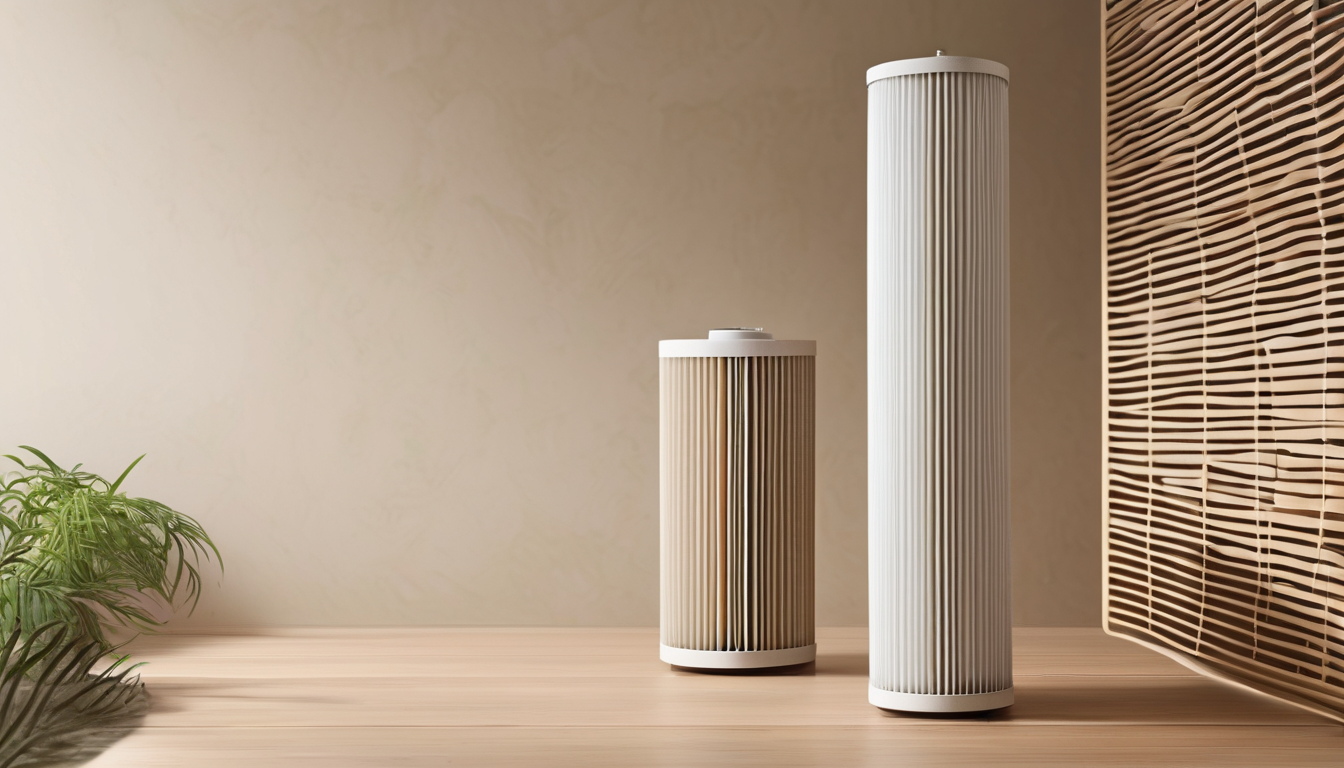
What is the difference between RO water and mineral water? This question matters deeply for Dubai families seeking optimal hydration solutions. Reverse osmosis water undergoes mechanical filtration that removes most dissolved solids, while natural mineral water contains essential minerals from underground sources. The choice between these waters affects not only taste and health benefits but also aligns with different household needs and water quality concerns across the UAE.
In Dubai’s unique water landscape, where municipal water undergoes rigorous treatment but may still contain varying mineral levels, understanding what is the difference between RO water and mineral water becomes essential. Many households install point-of-use filtration systems, while others prefer bottled mineral water for its consistent mineral profile. This comprehensive guide examines both options through scientific, practical, and regional perspectives.
The Difference Between RO Water and Mineral Water – Understanding Reverse Osmosis Water Technology
Reverse osmosis represents one of the most thorough water purification methods available for home use. The process forces water through a semi-permeable membrane with pores approximately 0.0001 microns in size. This physical barrier removes up to 99% of dissolved solids, including salts, minerals, and potential contaminants. The technology originated from desalination research and has been adapted for residential applications throughout Dubai and the UAE. This relates directly to The Difference Between RO Water and Mineral Water.
Modern RO systems typically incorporate multiple filtration stages. A sediment pre-filter captures larger particles, followed by activated carbon filtration that removes chlorine and organic compounds. The heart of the system remains the RO membrane, which rejects dissolved ions and molecules. Many systems include post-filtration carbon polishing and sometimes ultraviolet sterilisation for additional protection. This multi-barrier approach ensures comprehensive water purification for Dubai households.
RO System Components and Function
A typical residential RO system includes several key components working in sequence. The pre-filters protect the delicate RO membrane from larger particles that could cause fouling. The membrane housing contains the spiral-wound membrane element where separation occurs. A storage tank holds purified water, while a final carbon filter polishes the water taste. Automatic shut-off valves and flow restrictors manage system operation efficiently, making modern RO systems remarkably user-friendly for Dubai residents. When considering The Difference Between RO Water and Mineral Water, this becomes clear.
The Difference Between RO Water and Mineral Water – Natural Mineral Water Sources and Composition
Natural mineral water originates from protected underground sources where it acquires its mineral character through contact with geological formations. Unlike purified waters, mineral water must contain a consistent level of minerals directly from the source without artificial addition. The European Union defines natural mineral water as “microbiologically wholesome water originating in an underground water table or deposit and emerging from a spring tapped at one or more natural or bore exits.”
The mineral composition varies significantly between sources, creating distinct water profiles. Some waters contain higher calcium levels, while others might be richer in magnesium or bicarbonate. These natural variations account for the different tastes and purported health benefits associated with various mineral water brands available in Dubai supermarkets and delivery services. The mineral content remains stable when properly bottled at source. The importance of The Difference Between RO Water and Mineral Water is evident here.
What is the Difference Between RO Water and Mineral Water in Mineral Content?
The most significant difference between RO water and mineral water lies in their mineral content. Reverse osmosis filtration removes most dissolved minerals, resulting in water with very low total dissolved solids (TDS), typically between 10-50 parts per million. This demineralised water contains minimal calcium, magnesium, sodium, and other essential minerals that natural waters typically carry.
Natural mineral water, by contrast, maintains its original mineral composition from the source. TDS levels can range from 50 ppm for lightly mineralised waters to over 1500 ppm for highly mineralised varieties. The specific mineral profile depends on the geological characteristics of the water source. This fundamental difference in mineral content affects both the health implications and taste experience of these two water types. Understanding The Difference Between RO Water and Mineral Water helps with this aspect.
Taste Profile Differences Between RO and Mineral Waters
Water taste perception varies significantly between RO-purified and natural mineral waters. RO water typically presents a very neutral, “flat” taste profile due to the absence of minerals that contribute to water’s characteristic taste. Many Dubai residents describe RO water as clean-tasting but noticeably different from spring or tap water. This neutral canvas makes RO water excellent for cooking and brewing, where it doesn’t interfere with other flavours.
Mineral waters offer diverse taste experiences based on their unique mineral compositions. Waters higher in calcium and magnesium often taste “crisper” or “harder,” while those with higher bicarbonate content might taste slightly sweeter. The presence of carbonation in sparkling mineral waters further alters the taste perception. These taste differences often drive personal preferences among Dubai consumers when choosing between RO-filtered and mineral water options. The Difference Between RO Water and Mineral Water factors into this consideration.
Health Implications of RO Versus Mineral Water Consumption
The health implications of drinking RO versus mineral water involve considering mineral intake from water. Reverse osmosis water provides pure hydration without additional minerals, which some health professionals suggest might lead to mineral deficiencies if consumed exclusively without a balanced diet. However, for most people eating varied diets, the mineral contribution from water represents a small percentage of overall mineral intake.
Natural mineral waters can contribute meaningfully to daily mineral requirements. Depending on the specific water, consumption of two litres daily might provide 10-30% of the recommended daily intake for calcium or magnesium. Some studies suggest that the minerals in water might have higher bioavailability than those from food sources. For Dubai residents concerned about mineral intake, mineral water offers a convenient supplementation method. This relates directly to The Difference Between RO Water and Mineral Water.
Environmental Impact Comparison
The environmental considerations between RO systems and bottled mineral water differ significantly. Reverse osmosis systems installed in Dubai homes generate wastewater during the filtration process, typically with a 3:1 or 4:1 ratio of wastewater to purified water. However, modern efficient systems have improved this ratio, and some households repurpose the reject water for cleaning or plant watering.
Bottled mineral water involves substantial environmental costs including plastic production, transportation emissions, and recycling challenges. The carbon footprint of importing mineral waters to Dubai from European or other sources adds to environmental concerns. While recycling programmes exist in the UAE, plastic bottle waste remains an environmental consideration for regular mineral water consumers. When considering The Difference Between RO Water and Mineral Water, this becomes clear.
Cost Analysis for Dubai Households
The financial implications of choosing between RO systems and mineral water vary based on consumption patterns. Installing a residential RO system involves upfront costs for equipment and installation, followed by periodic filter replacement expenses. However, the ongoing cost per litre remains relatively low, typically ranging between 0.50-1.50 AED per litre depending on system efficiency and local water conditions.
Bottled mineral water costs significantly more per litre, with prices ranging from 2-8 AED per litre depending on brand and source. For a family consuming 10 litres daily, this represents a substantial ongoing expense compared to RO system operation. Many Dubai households find that RO systems provide economic advantages within 6-12 months of installation compared to continuous bottled water purchase. The importance of The Difference Between RO Water and Mineral Water is evident here.
Practical Applications in Dubai Homes
Dubai households often combine both approaches based on specific needs. Many families install RO systems for general cooking and drinking water while keeping mineral water available for special occasions or taste preference. The high humidity and temperatures in the UAE increase water consumption needs, making reliable access to quality water essential for health and comfort.
Practical considerations include storage space for water bottles versus under-sink installation for RO systems. Apartment dwellers in Dubai might prefer countertop RO units if building regulations restrict under-sink installations. Water quality testing can help determine whether a home’s tap water requires the comprehensive filtration that RO provides or whether simpler carbon filtration might suffice. Understanding The Difference Between RO Water and Mineral Water helps with this aspect.
Water Quality Standards and Regulations
Both RO systems and bottled mineral waters operate under specific regulatory frameworks in the UAE. The Emirates Authority for Standardisation and Metrology (ESMA) sets standards for drinking water quality, bottled waters, and water treatment devices. RO systems sold in Dubai must meet performance standards for contaminant reduction and material safety.
Bottled mineral waters available in Dubai supermarkets undergo rigorous testing to ensure safety and accurate labelling of mineral content. Imported waters must comply with UAE standards in addition to their home country regulations. These regulatory frameworks provide Dubai consumers with assurance regarding the safety and quality of both RO-filtered and mineral water options. The Difference Between RO Water and Mineral Water factors into this consideration.
Expert Recommendations for Dubai Residents
Choosing between RO and mineral water involves considering individual health needs, taste preferences, and practical circumstances. For families concerned about potential contaminants in municipal water, RO systems provide comprehensive protection. Those seeking additional mineral intake might prefer mineral water or consider RO systems with remineralisation stages that add beneficial minerals back after filtration.
Water quality testing provides the foundation for informed decisions. Professional assessment can identify specific concerns in a home’s water supply, allowing targeted solutions rather than generic approaches. Many Dubai water specialists recommend starting with water analysis before investing in filtration systems or committing to bottled water subscriptions. This relates directly to The Difference Between RO Water and Mineral Water.
Frequently Asked Questions
Can RO water be remineralised for better health benefits?
Yes, many modern RO systems include remineralisation filters that add beneficial minerals like calcium and magnesium back into the water after purification. These systems provide the contamination removal of RO with the mineral content similar to natural waters. The remineralisation process typically uses calcite or other mineral blends to restore balanced mineral content.
Is mineral water better for hydration than RO water?
Both waters provide effective hydration. Some studies suggest that waters with moderate mineral content might be absorbed slightly more efficiently, but the difference is minimal for most people. The electrolytes in mineral water can be beneficial during intense physical activity in Dubai’s heat, but for general hydration, both options work effectively. When considering The Difference Between RO Water and Mineral Water, this becomes clear.
How often should RO system filters be replaced in Dubai’s water conditions?
Filter replacement frequency depends on water usage and incoming water quality. Pre-filters typically require replacement every 6-9 months, while RO membranes may last 2-3 years. Dubai’s relatively hard water may necessitate more frequent pre-filter changes to protect the membrane. Professional water testing can determine optimal replacement schedules.
Does boiling water provide the same benefits as RO filtration?
Boiling water kills microorganisms but does not remove dissolved solids, chemicals, or heavy metals. RO filtration physically removes these contaminants through membrane separation. For comprehensive contaminant reduction, RO provides significantly more protection than boiling alone, though boiling remains effective for microbial safety.
Are there any health risks associated with drinking RO water long-term?
For people with balanced diets, long-term RO water consumption poses minimal health risks. Some concerns have been raised about potential mineral leaching from the body, but these effects are negligible when dietary mineral intake is adequate. RO water remains a safe hydration option when part of a nutritionally complete diet.
Conclusion
Understanding what is the difference between RO water and mineral water empowers Dubai residents to make informed choices about their hydration solutions. RO water offers comprehensive purification with minimal mineral content, while natural mineral water provides beneficial minerals from protected sources. The optimal choice depends on individual health considerations, taste preferences, environmental concerns, and practical circumstances.
Many Dubai households find value in combining both approaches—using RO systems for daily drinking and cooking water while enjoying mineral water occasionally. Professional water testing provides the foundation for making these decisions based on actual water quality rather than assumptions. However you choose to hydrate, the most important factor remains consistent consumption of quality water, especially in Dubai’s climate where proper hydration supports overall health and wellbeing. Understanding The Difference Between RO Water and Mineral Water is key to success in this area.