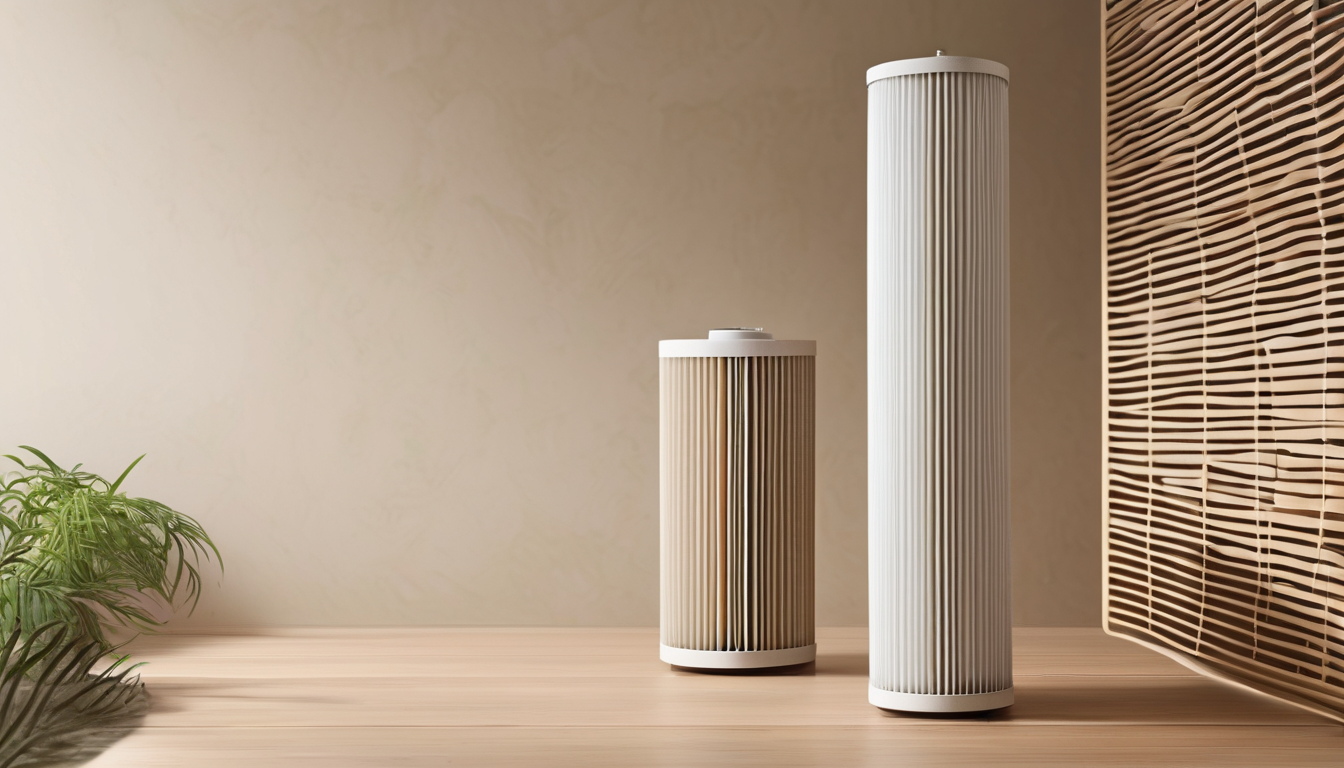
Water pressure requirements for whole house filters determine whether your Dubai home receives consistent, clean water throughout all fixtures. Most whole house filtration systems operate optimally between 40-80 PSI (pounds per square inch), with specific minimum pressure requirements varying by filter media and system design. In Dubai’s multi-story villas and older properties, pressure fluctuations can significantly impact filtration efficiency, making professional assessment essential before installation.
The relationship between water pressure and filtration performance is fundamental—insufficient pressure reduces flow rates and compromises contaminant removal, while excessive pressure risks damaging filter housings and membranes. For Dubai homeowners considering whole house water filtration, understanding these pressure requirements represents the first step toward ensuring every tap delivers properly filtered water without sacrificing shower pressure or appliance performance.
Water Pressure Requirements for Whole House Filters – Understanding Water Pressure Fundamentals
Water pressure requirements for whole house filters begin with understanding basic pressure measurements. PSI (pounds per square inch) remains the standard unit for measuring water pressure, while flow rate measured in litres per minute (LPM) indicates volume delivery. Most whole house filtration systems require minimum operating pressures between 40-60 PSI to effectively push water through multiple filtration stages including sediment pre-filters, carbon blocks, and optional water softeners.
In Dubai properties, municipal water pressure typically ranges from 45-80 PSI, though older neighbourhoods and high-rise villas may experience lower pressures. During peak usage hours, pressure can drop significantly, affecting filtration performance. Whole house water filters create inherent pressure drop—typically 5-15 PSI depending on system complexity—which must be accounted for when evaluating your home’s baseline pressure. Professional technicians measure both static pressure (no flow) and dynamic pressure (during flow) to accurately assess whether your system meets water pressure requirements for whole house filters.
Water Pressure Requirements for Whole House Filters – Minimum Pressure Requirements for Different Filter Types
Water pressure requirements for whole house filters vary significantly based on filtration technology. Sediment pre-filters typically have the lowest pressure requirements, functioning adequately at 30-40 PSI, while carbon block filters generally require 40-50 PSI for optimal adsorption performance. More advanced systems incorporating multiple filtration stages may require minimum pressures of 50-60 PSI to maintain adequate flow rates throughout the home.
Reverse Osmosis and Pressure Considerations
Whole house reverse osmosis systems have the most demanding water pressure requirements for whole house filters, typically needing 60-80 PSI to effectively push water through semi-permeable membranes. These systems often incorporate booster pumps to maintain adequate pressure, especially in Dubai’s larger villas where water must travel significant distances to upper floors. Without sufficient pressure, RO membranes cannot properly reject contaminants, compromising water quality throughout the home.
Water Pressure Requirements for Whole House Filters – Testing Your Home’s Water Pressure
Determining whether your property meets water pressure requirements for whole house filters begins with professional pressure assessment. Technicians use calibrated pressure gauges attached to outdoor spigots or washing machine valves to measure static pressure—the pressure when no water is flowing. This baseline measurement establishes whether your home’s incoming pressure falls within the acceptable range for whole house filtration.
Dynamic pressure testing follows, measuring pressure while water flows through multiple fixtures simultaneously. This simulation reveals how pressure drops during real-world usage, particularly important for Dubai families with multiple bathrooms operating concurrently. Professional assessment also identifies pressure fluctuations throughout the day, as municipal supply variations can affect whether your system consistently meets water pressure requirements for whole house filters.
Pressure Boosting Solutions for Dubai Homes
When existing pressure falls below minimum water pressure requirements for whole house filters, several boosting solutions are available. Booster pumps installed before the filtration system can increase pressure by 15-30 PSI, ensuring adequate flow through filter media. These pumps automatically activate when pressure drops below preset thresholds, maintaining consistent performance throughout daily usage cycles.
For Dubai villas with particularly low pressure or multi-story configurations, constant pressure systems provide more comprehensive solutions. These systems incorporate sensors and variable frequency drives to maintain exact pressure settings regardless of demand fluctuations. While more expensive than basic booster pumps, constant pressure systems ensure that water pressure requirements for whole house filters are consistently met even during peak usage periods.
Maximum Pressure Protection and Regulation
While insufficient pressure poses problems, excessive pressure also threatens filtration systems. Water pressure requirements for whole house filters include maximum pressure limits—typically 80-100 PSI—beyond which filter housings, connections, and membranes may fail. Many Dubai properties experience pressure spikes due to municipal supply fluctuations or thermal expansion in water heaters, making pressure regulation essential.
Pressure reducing valves (PRVs) installed before filtration systems protect against excessive pressure, maintaining consistent input within optimal ranges. These valves automatically reduce incoming pressure to preset levels, ensuring that water pressure requirements for whole house filters are not exceeded. Expansion tanks may also be installed to absorb thermal expansion pressure, particularly in systems with water heaters downstream from filtration.
Maintenance Impact on Pressure Performance
Maintenance schedules directly affect whether systems continue to meet water pressure requirements for whole house filters. As filter cartridges accumulate sediment and contaminants, they create increasing resistance to water flow, resulting in progressive pressure drop. Regular filter replacement according to manufacturer specifications—typically every 6-12 months depending on water quality—maintains consistent pressure performance.
Pressure monitoring between professional services helps identify when maintenance is required. Installing pressure gauges before and after filtration systems allows homeowners to track pressure drop across filters. When differential pressure exceeds 15-20 PSI, filter replacement is typically indicated to restore proper flow rates and ensure continued compliance with water pressure requirements for whole house filters.
System Design Considerations for Dubai Properties
Proper system design ensures Dubai homes meet water pressure requirements for whole house filters regardless of property size or configuration. For larger villas with multiple bathrooms and distant fixtures, parallel filtration systems or larger diameter housings may be necessary to minimise pressure drop. Pipe sizing calculations account for flow rates and distance travelled, ensuring adequate pressure reaches all endpoints.
Professional installers consider fixture unit calculations—accounting for all taps, showers, toilets, and appliances—when designing systems to meet water pressure requirements for whole house filters. This comprehensive approach ensures that even during peak usage, filtered water delivery remains consistent throughout the property. For multi-story villas, secondary booster pumps may be installed specifically for upper floors to compensate for gravitational pressure loss.
Expert Tips for Maintaining Optimal Pressure
Regular pressure monitoring represents the most effective strategy for ensuring continued compliance with water pressure requirements for whole house filters. Install pressure gauges before and after your filtration system to track performance degradation between professional maintenance visits. Schedule annual professional assessments to evaluate overall system pressure and identify potential issues before they affect water quality.
Consider whole house pressure regulators if your property experiences frequent pressure fluctuations from municipal supply. These devices maintain consistent input pressure, protecting your filtration investment and ensuring reliable performance. For homes with variable occupancy patterns, programmable booster pumps can adjust pressure settings based on anticipated demand, optimising energy usage while maintaining water pressure requirements for whole house filters.
Frequently Asked Questions
What is the minimum water pressure needed for whole house filters?
Most whole house filtration systems require minimum operating pressures between 40-60 PSI for optimal performance. Specific requirements vary by filter type and configuration, with multi-stage systems typically needing higher minimum pressures than single-filter installations.
How can I test water pressure in my Dubai home?
Professional technicians use calibrated pressure gauges attached to outdoor spigots or appliance valves to measure both static and dynamic pressure. This assessment determines whether your property meets water pressure requirements for whole house filters and identifies any necessary boosting solutions.
Do water filters reduce water pressure throughout the home?
All filtration systems create some pressure drop—typically 5-15 PSI depending on system complexity. Properly designed systems account for this drop while maintaining adequate pressure at all fixtures, ensuring compliance with water pressure requirements for whole house filters.
Can low water pressure damage my filtration system?
Insufficient pressure primarily affects filtration efficiency rather than causing direct damage. However, chronic low pressure may indicate underlying issues that could compromise system performance over time, making professional assessment essential for Dubai properties.
How often should I check my system’s pressure performance?
Monthly pressure checks using installed gauges help monitor system health between professional maintenance visits. Significant changes in pressure differential may indicate the need for filter replacement or system servicing to maintain water pressure requirements for whole house filters.
Understanding and maintaining proper water pressure requirements for whole house filters ensures your Dubai home receives consistently filtered water at every tap. From initial pressure testing to ongoing monitoring and maintenance, attention to pressure fundamentals protects your investment and delivers the water quality your family deserves.