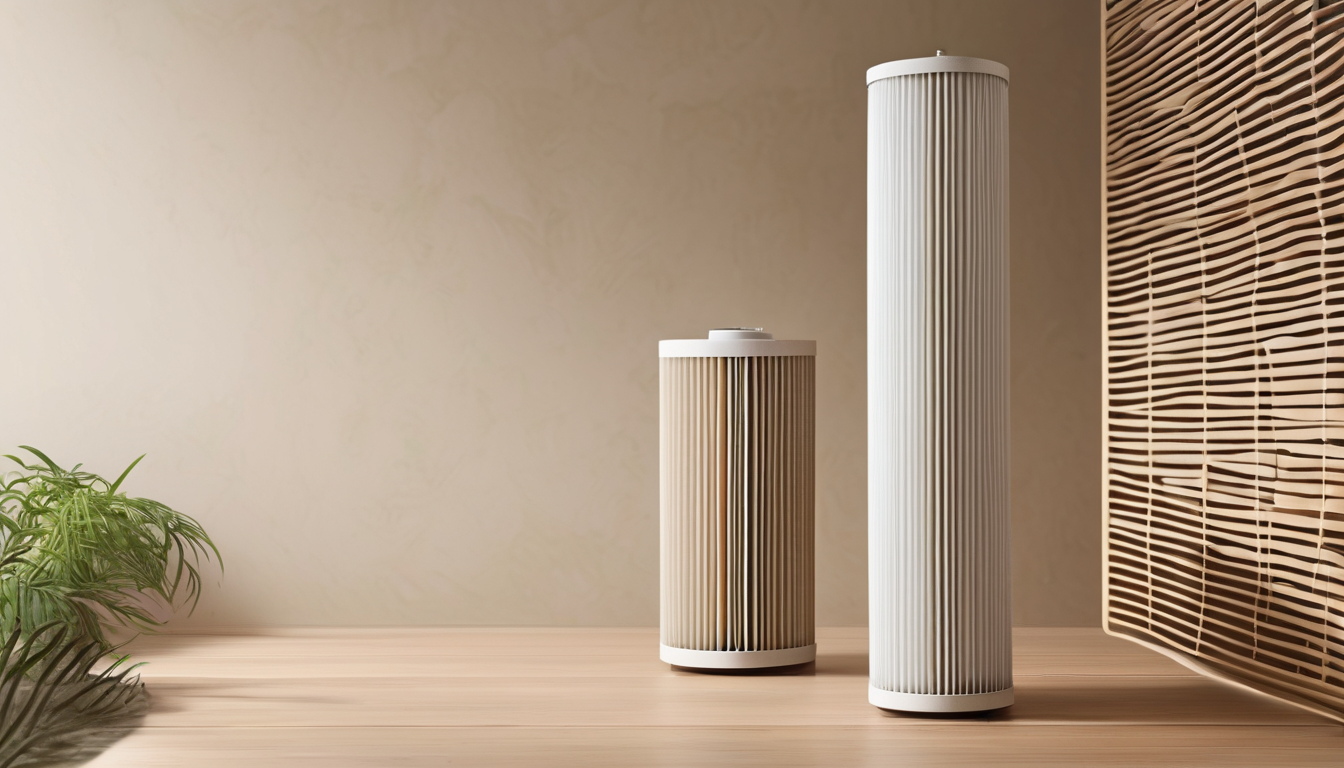
Choosing water filtration for Dubai apartment buildings begins with understanding that what flows through central systems becomes what residents drink, cook with, and bathe in daily. Unlike standalone villas, apartment complexes require solutions that balance collective water quality with individual unit needs, accounting for Dubai’s specific water composition, building regulations, and the diverse expectations of urban residents. The process involves evaluating existing infrastructure, interpreting water quality reports, and selecting systems that deliver measurable improvement without compromising water pressure or maintenance accessibility across multiple floors.
Dubai’s municipal water supply meets safety standards, yet many buildings benefit from additional filtration to address chlorine taste, sediment from older piping, or mineral content that varies by neighbourhood. Choosing Water Filtration for Dubai apartment buildings means considering both the technical specifications and the human experience—residents who notice clearer ice cubes, softer shower water, or better-tasting tea are experiencing the tangible results of well-considered water quality management.
Choosing Water Filtration for Dubai Apartment Buildings – Understanding Dubai’s Water Profile for Apartment Buildings
Choosing water filtration for Dubai apartment buildings requires familiarity with the local water characteristics that affect multi-unit properties. Dubai’s water typically contains chlorine for disinfection, which can affect taste and odour. Many older buildings in areas like Deira or Bur Dubai may have internal piping that introduces sediment or metallic traces. The mineral content, measured as TDS (Total Dissolved Solids), often ranges between 200-500 ppm, which influences whether reverse osmosis or alternative filtration methods are appropriate.
Apartment buildings connected to district cooling systems may experience different water pressure patterns than standalone properties, affecting filtration system performance. Water quality can also vary seasonally, with higher sediment levels during maintenance periods or after infrastructure work in specific communities like Jumeirah Village Circle or Dubai Marina. Professional water testing provides the definitive profile needed for Choosing water filtration for Dubai apartment buildings with confidence.
Key Considerations When Choosing Water Filtration for Dubai Apartment Buildings
Choosing water filtration for Dubai apartment buildings involves evaluating several building-specific factors that don’t apply to single-family homes. The number of units, floor levels, and existing plumbing infrastructure all influence system selection. Buildings with more than 20 units typically require commercial-grade equipment with higher flow rates to maintain consistent water pressure throughout all apartments. The age of the building matters—newer constructions in Downtown Dubai or Business Bay often have modern piping that may only need point-of-use filtration, while older buildings might benefit from comprehensive central systems.
Resident demographics play a crucial role in Choosing water filtration for Dubai apartment buildings. Buildings with families and children might prioritise contaminant removal, while luxury towers may focus on aesthetic qualities like water clarity and taste. Maintenance accessibility is another critical factor—equipment rooms must be easily reachable for regular filter changes and servicing without disrupting residents. Choosing water filtration for Dubai apartment buildings successfully means balancing technical capabilities with practical management considerations.
Centralised vs Point-of-Use Systems for Apartments
Choosing water filtration for Dubai apartment buildings often comes down to deciding between centralised building-wide systems or individual point-of-use units for each apartment. Centralised systems installed at the main water entry point treat all water entering the building, providing consistent quality to every unit. This approach simplifies maintenance since filters are changed in one location rather than multiple apartments. However, it requires adequate equipment space and may involve more complex installation in existing buildings.
Point-of-use systems, such as under-sink reverse osmosis units or countertop filters, allow residents to customise their water treatment based on personal preferences. This approach offers flexibility but creates variability in water quality across the building and requires individual maintenance coordination. Many modern Dubai apartment buildings opt for a hybrid approach: basic central sediment filtration for the entire building supplemented by optional point-of-use systems for drinking water refinement. Choosing water filtration for Dubai apartment buildings effectively means matching the system configuration to the property’s specific physical and residential characteristics.
Essential Filtration Technologies for Dubai Apartments
Choosing water filtration for Dubai apartment buildings involves selecting from several proven technologies that address local water conditions. Sediment filters with micron ratings between 5-20 microns capture sand and rust particles common in older building pipes. Activated carbon filtration effectively reduces chlorine taste and odour while removing organic compounds. For buildings with higher mineral content, water softeners using ion exchange technology prevent scale buildup in appliances and plumbing.
Reverse osmosis systems provide comprehensive purification, reducing dissolved solids, heavy metals, and microorganisms. UV sterilisation offers an additional layer of protection against biological contaminants without affecting water chemistry. Choosing water filtration for Dubai apartment buildings often involves combining these technologies in stages—sediment pre-filtration followed by carbon treatment, with optional RO or UV for specific applications. The sequence and combination depend on the building’s water test results and the quality objectives established during the planning phase.
Installation and Maintenance Planning for Apartment Buildings
Choosing water filtration for Dubai apartment buildings must include practical consideration of installation logistics and ongoing maintenance requirements. Central systems require adequate equipment room space with proper drainage, electrical connections, and accessibility for service technicians. Installation timing should minimise disruption to residents, often coordinated with other building maintenance activities. For point-of-use systems, building management must establish protocols for installation access to individual units while respecting resident privacy.
Maintenance planning is crucial when Choosing water filtration for Dubai apartment buildings. Filter replacement schedules should be documented and tracked, with responsibilities clearly assigned between building management and service providers. Water quality monitoring through periodic testing ensures systems continue performing as intended. Many building managers establish maintenance contracts with certified providers who handle regular servicing, emergency repairs, and performance documentation. Proper planning transforms water filtration from installed equipment into a reliably managed building system.
Cost Considerations and Value Assessment
Choosing water filtration for Dubai apartment buildings involves evaluating both initial investment and long-term operational costs. System costs vary based on building size, technology selection, and installation complexity. Central systems typically involve higher upfront investment but lower per-unit costs over time. Point-of-use systems may have lower initial costs but require more distributed maintenance and create variability in ongoing expenses.
The value proposition extends beyond monetary considerations to resident satisfaction, property reputation, and operational efficiency. Buildings with superior water quality often experience higher tenant retention and can command premium rental rates. Reduced plumbing maintenance from scale prevention and cleaner water also contributes to long-term value. When Choosing water filtration for Dubai apartment buildings, property managers should request detailed proposals that outline all cost components and provide transparent information about expected performance and maintenance requirements.
Regulatory Compliance and Quality Standards
Choosing water filtration for Dubai apartment buildings requires attention to local regulations and quality standards. Dubai Municipality establishes water quality guidelines that all systems must meet, particularly for drinking water applications. Equipment should carry recognised certifications from international organisations like NSF or WQA, ensuring materials and performance meet established safety standards. Installation must comply with building codes and DEWA requirements, particularly regarding backflow prevention and pressure management.
Documentation is essential for compliance when Choosing water filtration for Dubai apartment buildings. Maintain records of equipment specifications, installation certificates, maintenance logs, and water test results. These documents demonstrate due diligence and provide reference for future servicing or regulatory inspections. Working with accredited providers who understand local requirements simplifies compliance and ensures systems operate within established parameters while delivering the intended water quality improvements.
Expert Tips for Choosing Water Filtration for Dubai Apartment Buildings
Begin with professional water testing before Choosing water filtration for Dubai apartment buildings—actual water composition dictates technology selection more than assumptions.
Consider future expansion—select systems that can accommodate additional capacity if the building might add units or increase water demand.
Evaluate noise levels—equipment rooms should be acoustically isolated to prevent vibration or operational sounds from reaching residential areas.
Plan for bypass capabilities—systems should include valving that allows water to bypass filtration during maintenance without disrupting building supply.
Document everything—maintain clear records of system specifications, installation details, and maintenance history for future reference and compliance.
Prioritise service accessibility—choose equipment from providers with reliable local service networks and available replacement parts.
Educate residents—communicate system benefits and proper use to maximise satisfaction and prevent misuse that could affect performance.
Frequently Asked Questions
How often should apartment building water filters be replaced in Dubai?
Replacement frequency depends on water usage, filter type, and incoming water quality. Sediment filters typically require replacement every 3-6 months, while carbon filters may last 6-12 months. Reverse osmosis membranes can function for 2-3 years with proper pre-filtration. Professional assessment determines the optimal schedule for each building.
What water quality issues are common in Dubai apartment buildings?
Dubai apartments frequently experience chlorine taste from municipal treatment, sediment from older building pipes, and scale formation from mineral content. Some buildings may have metallic tastes from corrosion or pressure variations that affect filtration performance. Professional testing identifies specific issues before Choosing water filtration for Dubai apartment buildings.
Can building managers install filtration systems in existing Dubai apartments?
Yes, experienced providers can install systems in existing buildings with minimal disruption. Installation typically occurs during low-occupancy periods with proper resident notification. Modern modular systems designed for retrofit applications simplify the process while maintaining building aesthetics and functionality.
How does water pressure affect filtration system choice for Dubai apartments?
Multi-storey buildings require systems that maintain adequate pressure across all floors. Reverse osmosis systems typically need booster pumps, while centralised systems must account for pressure loss through filtration stages. Professional assessment includes pressure measurements at various points to ensure selected equipment performs properly throughout the building.
Are there specific regulations for apartment building water filtration in Dubai?
Dubai Municipality guidelines cover drinking water quality standards that filtration systems must meet. Installation must comply with building codes and DEWA requirements regarding backflow prevention and system integration. Certified providers understand these regulations and ensure compliance throughout installation and operation.
Choosing water filtration for Dubai apartment buildings represents an investment in resident wellbeing and property value. The process involves technical evaluation, practical planning, and ongoing management to ensure consistent water quality throughout the building. By understanding local water characteristics, building infrastructure, and resident expectations, property managers can select systems that deliver measurable improvement while maintaining operational efficiency. The result is water that residents trust and appreciate—a fundamental element of quality living in Dubai’s diverse apartment communities.