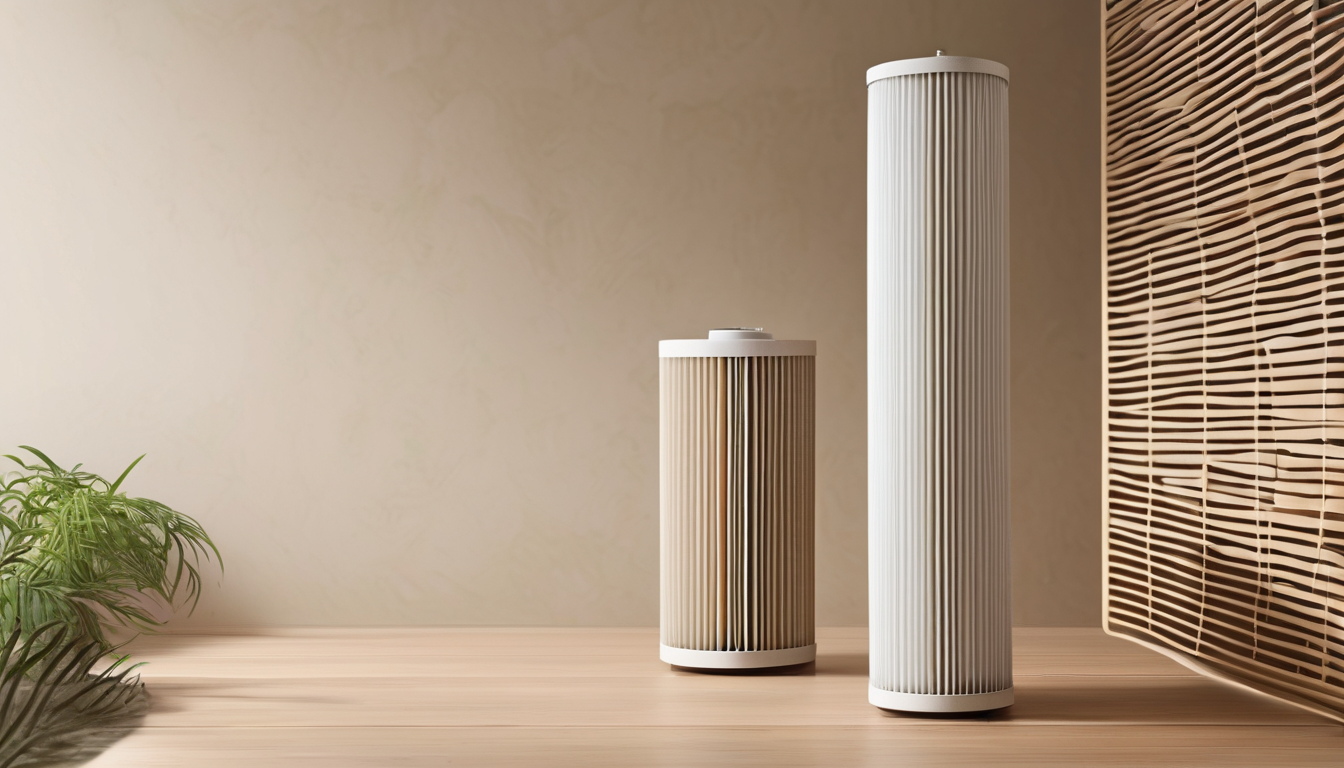
How to Choose a Water Filter for Dubai Tap Water begins with understanding that Dubai’s municipal water, while treated to high standards, travels through extensive distribution networks and building tanks that can introduce contaminants. The selection process involves water testing, identifying your specific needs, and choosing systems certified for UAE conditions. This comprehensive guide walks you through the exact steps Dubai residents should follow to make an informed decision about their water filtration needs.
Choose a Water Filter for Dubai Tap Water – Understanding Dubai’s Tap Water Characteristics
Dubai’s tap water originates from desalination plants that process seawater from the Arabian Gulf, creating a unique water profile that influences How to Choose a Water Filter for Dubai Tap Water. The desalination process produces mineral-deficient water that can become aggressive toward plumbing infrastructure, potentially leaching metals from pipes. Additionally, water storage tanks in buildings may introduce sediment, bacteria, or other contaminants depending on maintenance schedules and environmental conditions.
The climate also plays a significant role in water quality considerations. High temperatures accelerate chemical reactions and bacterial growth in storage systems, while dust and sand particles can enter tanks during maintenance or through ventilation systems. These factors make comprehensive water testing essential before deciding on any filtration approach for Dubai homes and businesses.
Step-by-Step Process for How to Choose a Water Filter for Dubai Tap Water
The methodology for How to Choose a Water Filter for Dubai Tap Water follows a systematic approach that begins with assessment and ends with professional installation. First, conduct a thorough water quality test using a certified Water Test Kit to identify specific contaminants present in your supply. This testing should measure TDS levels, hardness, chlorine content, pH balance, and potential biological contaminants.
Second, analyse your household’s water consumption patterns and usage points. A family with children might prioritise different filtration needs than a commercial establishment. Third, consider your space constraints and installation possibilities, particularly important in Dubai apartments where under-sink options might be preferable to whole-house systems. Finally, consult with water treatment specialists who understand Dubai’s specific water challenges and can recommend appropriate technologies.
Choose a Water Filter for Dubai Tap Water – Water Testing Essentials for Dubai Homes
Professional water testing forms the foundation of How to Choose a Water Filter for Dubai Tap Water. Dubai residents should utilise comprehensive Water Test Kits that measure multiple parameters including total dissolved solids (TDS), which typically range between 200-500 ppm in Dubai tap water but can vary significantly by area and building infrastructure. Testing should also assess chlorine levels, heavy metals presence, bacterial contamination, and hardness levels.
Many Dubai municipalities provide basic water quality reports, but these reflect water quality at the treatment plant, not at your tap. The journey through kilometres of piping and building storage tanks can significantly alter water composition. For accurate assessment, take samples from multiple points in your home – kitchen tap, bathroom faucets, and if possible, directly from the building’s main storage tank to understand contamination points.
Interpreting Your Water Test Results
Understanding your Water Test Kit readings is crucial for How to Choose a Water Filter for Dubai Tap Water. TDS levels above 500 ppm may indicate the need for reverse osmosis filtration, while hardness above 120 mg/L suggests water softening solutions. Chlorine levels above 2 mg/L require carbon filtration, and detectable lead or copper necessitates specific heavy metal removal technologies.
Comparing Whole House vs Point of Use Systems for Dubai
The decision between Whole House Water Filters and point-of-use systems represents a critical juncture in How to Choose a Water Filter for Dubai Tap Water. Whole House Water Filters treat all water entering your property, protecting plumbing appliances and providing filtered water from every tap. This comprehensive approach is particularly beneficial for Dubai villas with garden irrigation systems that can suffer from scale buildup.
Point-of-use systems, including under-sink filters and countertop units, target specific water outlets like kitchen taps. These systems often provide more specialised filtration for drinking and cooking water at a lower initial investment. For Dubai apartments with space constraints or rental properties, point-of-use solutions frequently offer the most practical approach to water filtration without requiring structural modifications.
Technology Options for Dubai Water Conditions
Selecting appropriate filtration technology is central to How to Choose a Water Filter for Dubai Tap Water. Reverse osmosis (RO) systems effectively reduce Dubai’s typically moderate TDS levels and remove various contaminants, making them popular for drinking water applications. However, RO systems produce wastewater and remove beneficial minerals, which may require remineralisation stages for optimal health benefits.
Carbon filtration systems effectively remove chlorine and improve taste, while sediment filters address the dust and sand particles common in Dubai’s water storage tanks. UV purification provides protection against biological contaminants that can develop in storage systems. For properties with hard water issues, water softeners using ion exchange technology prevent scale buildup in pipes and appliances.
Installation Considerations for UAE Properties
Practical installation factors significantly influence How to Choose a Water Filter for Dubai Tap Water. Dubai villas typically have more space for equipment installation, making Whole House Water Filters with multiple filtration stages more feasible. Apartment dwellers must consider space constraints, with under-sink systems often representing the most viable solution.
Water pressure represents another critical consideration, as some filtration systems can reduce flow rates. Dubai’s building standards maintain water pressure between 2-4 bars, but older properties may have lower pressure that affects filter performance. Professional water filter installation ensures proper integration with existing plumbing without compromising water pressure or causing leaks.
Maintenance Requirements and Schedules
Long-term maintenance planning completes the process of How to Choose a Water Filter for Dubai Tap Water. Filter cartridges require regular replacement depending on water quality and usage – typically every 6-12 months for sediment filters and 12-24 months for carbon blocks. RO membranes may last 2-3 years with proper pre-filtration.
Dubai’s water conditions can accelerate filter exhaustion due to higher sediment loads and temperature effects. Establishing a water filter replacement schedule with professional maintenance support ensures consistent water quality without unexpected system failures. Many Dubai service providers offer scheduled maintenance programmes that include filter changes, system sanitisation, and performance testing.
Expert Tips for Choosing Dubai Water Filters
Based on extensive field experience with Dubai water systems, these professional insights will guide your decision process for How to Choose a Water Filter for Dubai Tap Water. First, always begin with professional water testing rather than assuming your water matches general Dubai averages. Second, consider multi-stage filtration systems that address multiple contaminant types common in UAE water supplies.
Third, verify that any system under consideration carries certifications from international bodies like NSF or WQA, specifically for the contaminants found in your water test results. Fourth, factor in operating costs including filter replacement expenses and wastewater production for RO systems. Finally, work with established Dubai water treatment companies familiar with local building codes and water characteristics.
Frequently Asked Questions
How often should I test my Dubai tap water?
Professional water testing should be conducted annually for most Dubai homes, or immediately if you notice changes in water taste, appearance, or odour. Testing is also recommended after building water tank cleaning or major plumbing work.
What is the best water filter for Dubai apartments?
Under-sink reverse osmosis systems or multi-stage point-of-use filters typically serve Dubai apartment dwellers best due to space constraints. These systems provide comprehensive filtration for drinking and cooking water without requiring whole-house installation.
Do I need a water softener in Dubai?
Many Dubai properties benefit from water softening systems due to moderate hardness levels that can cause scale buildup in appliances and plumbing. Water testing will determine if your specific supply requires softening treatment.
How much maintenance do water filters require in Dubai?
Filter replacement typically occurs every 6-12 months depending on usage and water quality. Professional maintenance checks are recommended annually to ensure system performance and address any Dubai-specific water quality issues.
Are whole house systems worth the investment in Dubai?
Whole House Water Filters provide comprehensive protection for all water uses in your property, protecting plumbing and appliances from scale and corrosion. For Dubai villas with irrigation systems or multiple bathrooms, whole-house filtration often justifies the higher initial investment.
Conclusion
How to Choose a Water Filter for Dubai Tap Water requires a methodical approach that begins with understanding your specific water quality through professional testing. By assessing your household needs, space constraints, and budget considerations, you can select the most appropriate filtration technology for your Dubai property. Remember that proper installation and regular maintenance are equally important as the initial system selection for ensuring long-term water quality and system performance in Dubai’s unique water environment.