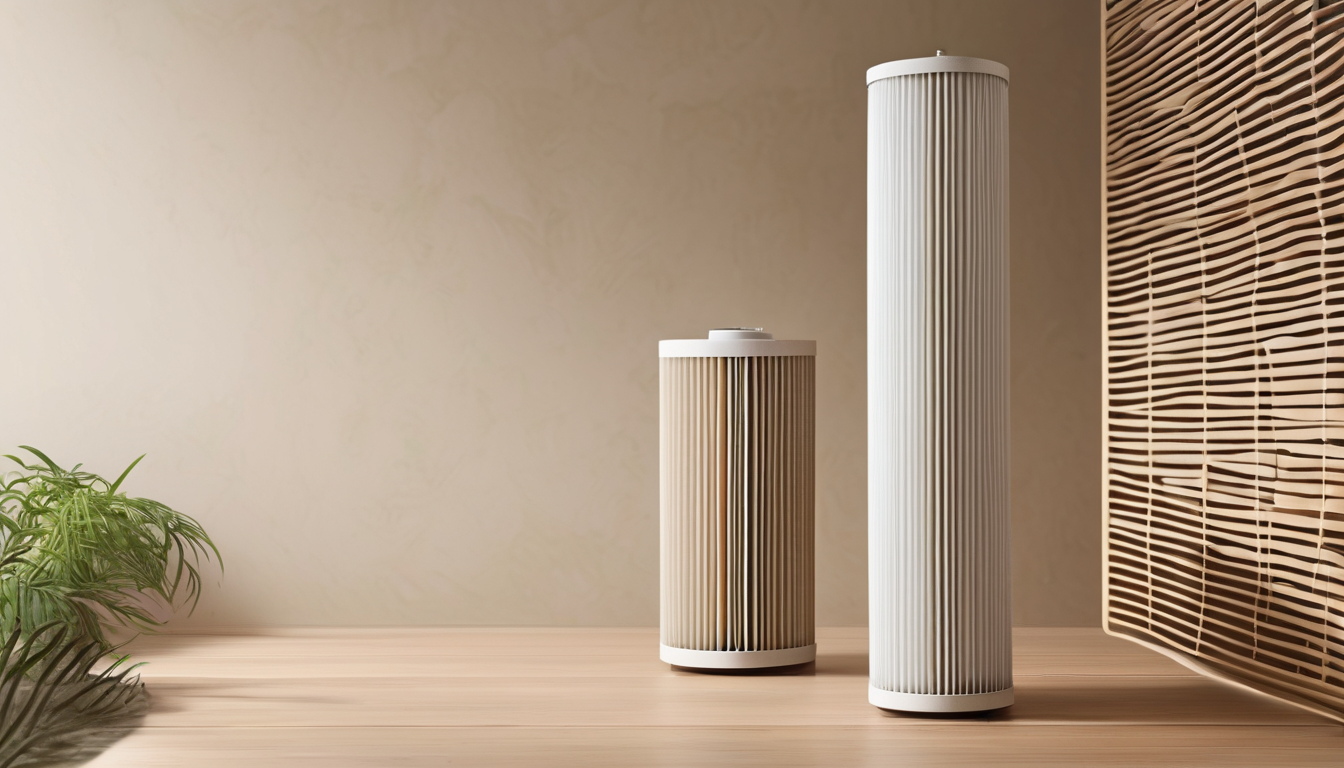
Maintaining optimal water quality in Dubai homes requires understanding the specific factors that influence filtration system performance. The unique water composition in the UAE, combined with environmental conditions and household usage patterns, creates distinct challenges for water filter maintenance. Water filter replacement frequency for Dubai homes isn’t a one-size-fits-all recommendation but rather a calculated approach based on multiple variables.
As a water quality specialist with extensive experience across Emirates, I’ve observed how improper replacement schedules lead to diminished water quality, increased maintenance costs, and potential health concerns. The arid climate, high mineral content in tap water, and varying infrastructure conditions across different Emirates all contribute to the need for tailored replacement strategies. This relates directly to Water Filter Replacement Frequency For Dubai Homes.
This comprehensive guide will walk you through determining the ideal water filter replacement frequency for Dubai homes, whether you’re using under-sink systems, whole-house filtration, or point-of-use solutions. We’ll examine how local water quality, consumption patterns, and filter technology impact maintenance schedules.
Understanding Water Filter Replacement Frequency for Dubai Homes
Water filter replacement frequency for Dubai homes depends primarily on the interaction between local water characteristics and filtration technology. Dubai’s municipal water undergoes extensive treatment, but it still contains higher mineral concentrations than many other regions. The total dissolved solids (TDS) levels typically range between 200-400 ppm, which affects how quickly filters become saturated.
The climate also plays a significant role in determining water filter replacement frequency for Dubai homes. High temperatures accelerate bacterial growth in filter media, while dust and sand particles from the desert environment can clog pre-filters more quickly. Homes with water storage tanks require more frequent replacements due to potential contamination from tank sediments and biofilm formation.
Understanding your specific water composition through professional testing is the first step in establishing the correct water filter replacement frequency for Dubai homes. Different areas within Dubai and across the Emirates show variations in water hardness, chlorine levels, and particulate matter, all of which impact filter lifespan.
Water Filter Replacement Frequency For Dubai Homes – Key Factors Affecting Replacement Schedule
Several critical factors influence the ideal water filter replacement frequency for Dubai homes. Water consumption patterns vary significantly between small apartments and large villas, with family size directly affecting how quickly filters exhaust their capacity. A family of six will naturally require more frequent replacements than a single occupant.
Water Quality Variations
Different areas in Dubai experience varying water quality conditions. Older districts with ageing infrastructure might have higher sediment loads, while newer developments may experience higher chlorine levels from municipal treatment. Regular water testing helps determine the specific contaminants affecting your filter’s lifespan.
System Configuration Impact
The type of filtration system significantly affects replacement needs. Multi-stage systems with sediment pre-filters typically require more frequent pre-filter changes (every 3-6 months) while the main filters may last 9-12 months. Whole-house systems generally need more frequent attention than point-of-use units due to processing larger water volumes.
Water Filter Replacement Frequency For Dubai Homes – Replacement Frequency by Filter Type
Different filtration technologies have distinct replacement requirements for optimal performance. Sediment filters, commonly used as pre-filters in Dubai homes, typically need replacement every 3-4 months due to high particulate matter in the water supply. These filters capture sand, rust, and other visible particles that are common in the region’s water distribution system.
Carbon block filters, essential for chlorine and chemical removal, generally require replacement every 6-9 months in Dubai conditions. The higher chlorine levels used in municipal treatment mean these filters work harder and exhaust faster than in regions with lower disinfectant levels. Reverse osmosis membranes in RO systems typically last 18-24 months, though this varies based on water pressure and pre-filter maintenance.
Ultraviolet purification systems require annual bulb replacement to maintain effectiveness, while other technologies like ultrafiltration membranes may have longer lifespans. Biomimetic membrane systems, increasingly popular in UAE homes, typically require replacement every 12-18 months depending on water quality and usage patterns.
Signs Your Filter Needs Replacement
Recognizing the indicators of exhausted filters is crucial for maintaining water quality. Reduced water pressure often signals that sediment filters need replacement, as accumulated particles restrict flow. This is particularly common in Dubai homes where sand and pipeline sediments are frequent concerns.
Changes in water taste or odour indicate that carbon filters may be exhausted. If you notice chlorine taste returning or unusual flavours developing, it’s time to check your filter status. For RO systems, increasing TDS readings on your monitor suggest membrane effectiveness is declining. When considering Water Filter Replacement Frequency For Dubai Homes, this becomes clear.
Visual inspection can also reveal filter condition. Cartridges that appear discoloured, swollen, or show visible sediment buildup require immediate replacement. Many modern systems include indicator lights or digital alerts, but these should be supplemented with manual checks given Dubai’s challenging water conditions.
DIY Replacement vs Professional Service
Choosing between DIY replacement and professional service depends on your technical comfort and system complexity. Simple under-sink filters with quick-connect fittings are often manageable for homeowners, provided they follow manufacturer guidelines and safety procedures.
Complex whole-house systems or RO units with multiple stages typically benefit from professional servicing. Technicians can properly sanitize components, check pressure settings, and ensure all connections are secure. In Dubai’s climate, improper installation can lead to leaks that cause water damage and mould growth.
Professional services also include water testing before and after replacement, ensuring the new filters are performing optimally. Many companies in Dubai offer subscription plans that include scheduled replacements, taking the guesswork out of maintenance timing.
Cost Considerations for Replacement
Budgeting for filter replacements involves both part costs and potential service fees. Basic sediment filters range from AED 50-150 each, while carbon blocks typically cost AED 100-300 depending on quality and capacity. RO membranes represent a larger investment at AED 300-800, reflecting their longer lifespan and complex manufacturing.
Professional replacement services in Dubai typically charge AED 200-500 for labour, depending on system complexity and location. Many residents find value in maintenance contracts that bundle filter costs with scheduled service visits, typically ranging from AED 1,000-2,500 annually for comprehensive coverage.
Considering the health implications and potential damage from malfunctioning systems, regular replacement represents excellent value. The cost of neglected maintenance can include medical expenses from waterborne issues or property damage from leaks and overworked systems.
Maintenance Best Practices
Implementing a systematic approach to filter maintenance ensures consistent water quality. Keep a maintenance log recording installation dates, water pressure readings, and any noticeable changes in water quality. This historical data helps predict future replacement needs more accurately.
Schedule reminders based on both time and usage metrics. While manufacturers provide time-based guidelines, tracking water meter readings can provide a more accurate measure of actual filter workload. Many modern systems include digital monitors that track usage and alert when replacements are due.
Always perform water testing after replacement to verify system performance. Basic test kits can check chlorine levels and TDS, while comprehensive testing through professional services identifies broader water quality parameters. This verification step ensures your replacement was successful and the system is functioning optimally.
Expert Tips for Optimal Filter Performance
- Test your water quarterly to track changes that might affect filter lifespan
- Install pressure gauges before and after filters to monitor clogging
- Keep spare filters on hand to avoid gaps in protection
- Label filters with installation dates using waterproof markers
- Flush new filters according to manufacturer specifications
- Consider whole-house pre-filters to extend point-of-use filter life
- Monitor water consumption patterns to adjust replacement schedules
Frequently Asked Questions
How often should I replace filters in Dubai’s summer months?
During peak summer when water consumption increases, check filters monthly and be prepared to replace 2-4 weeks earlier than usual schedules.
Can I extend filter life with additional pre-filtration?
Yes, adding sediment pre-filters can significantly extend the life of main filters, potentially adding 2-3 months to replacement intervals.
Do water filter subscriptions make sense for Dubai homes?
Subscription services provide predictable costs and ensure timely replacements, particularly valuable for complex systems or busy households.
Conclusion
Establishing the correct water filter replacement frequency for Dubai homes requires understanding your specific water conditions, usage patterns, and system configuration. Regular testing, careful monitoring, and adherence to manufacturer guidelines form the foundation of effective maintenance. By implementing the strategies outlined in this guide, Dubai residents can ensure consistent water quality, optimal system performance, and long-term value from their filtration investment.