Introduction
Understanding Comparing Whole House Filters Vs. Under-sink Filters For is essential. Water quality is paramount in ensuring the health and well-being of every family member. When choosing between whole house filters and under-sink filters, it’s crucial to understand their distinct characteristics and benefits. This article provides a detailed comparison of these two systems, highlighting their advantages and limitations, so you can make an informed decision for your household.
Understanding Comparing Whole House Filters vs. Under-Sink Filters for Water Filtration in Your Home
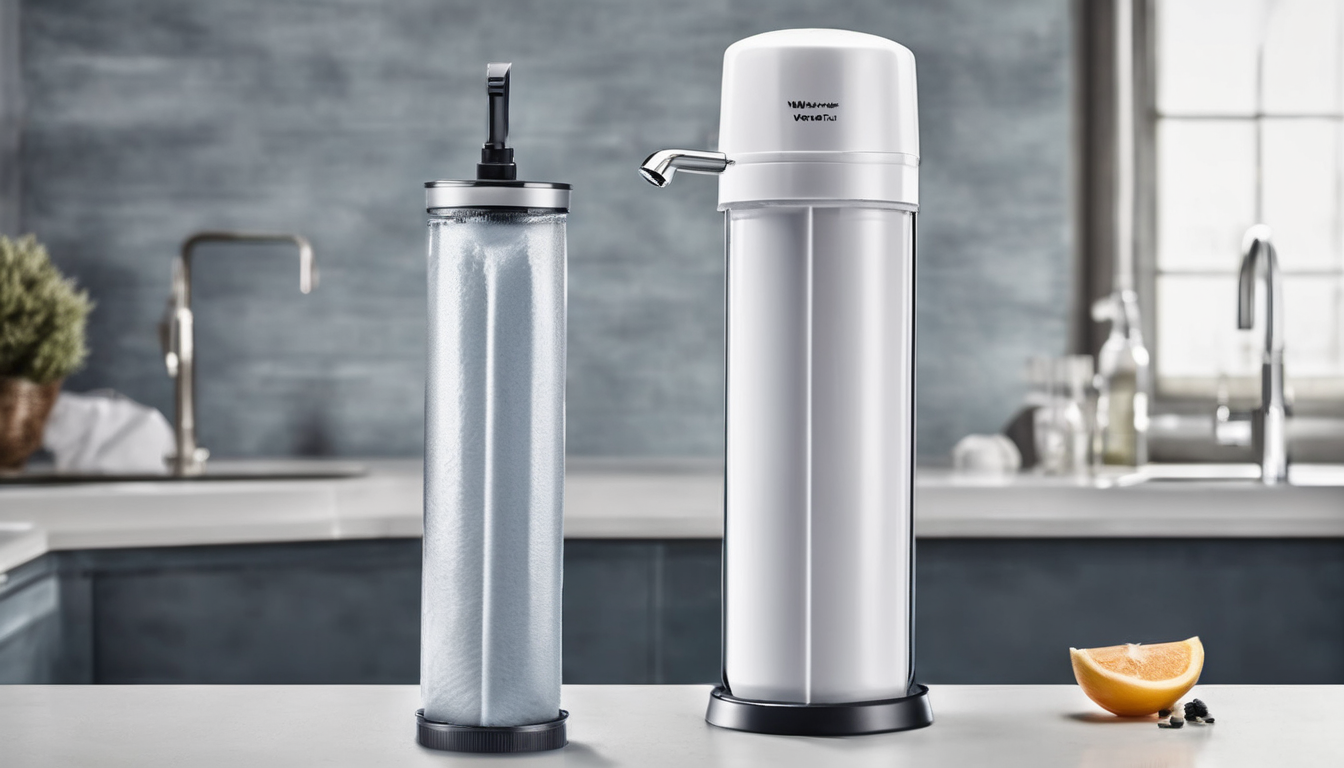
Whole house filters, also known as point-of-entry (POE) systems, are installed at the main water line before it enters your home. They treat all the water that flows through your plumbing system, providing a comprehensive solution to improve overall water quality. On the other hand, under-sink filters, or point-of-use (POU) systems, are designed to purify water for specific taps and are typically used for drinking and cooking purposes.
Whole House Filters
Pros:
- Treats all the water in your home.
- Reduces a wide range of contaminants, including heavy metals, chlorine, and sediment.
- No need to install multiple filters at different taps throughout the house.
Cons:
- Costlier upfront installation due to the entire system serving all fixtures.
- Larger space required for installation and maintenance.
Under-Sink Filters
Pros:
- Lower cost compared to whole house filters, making them more affordable for most households.
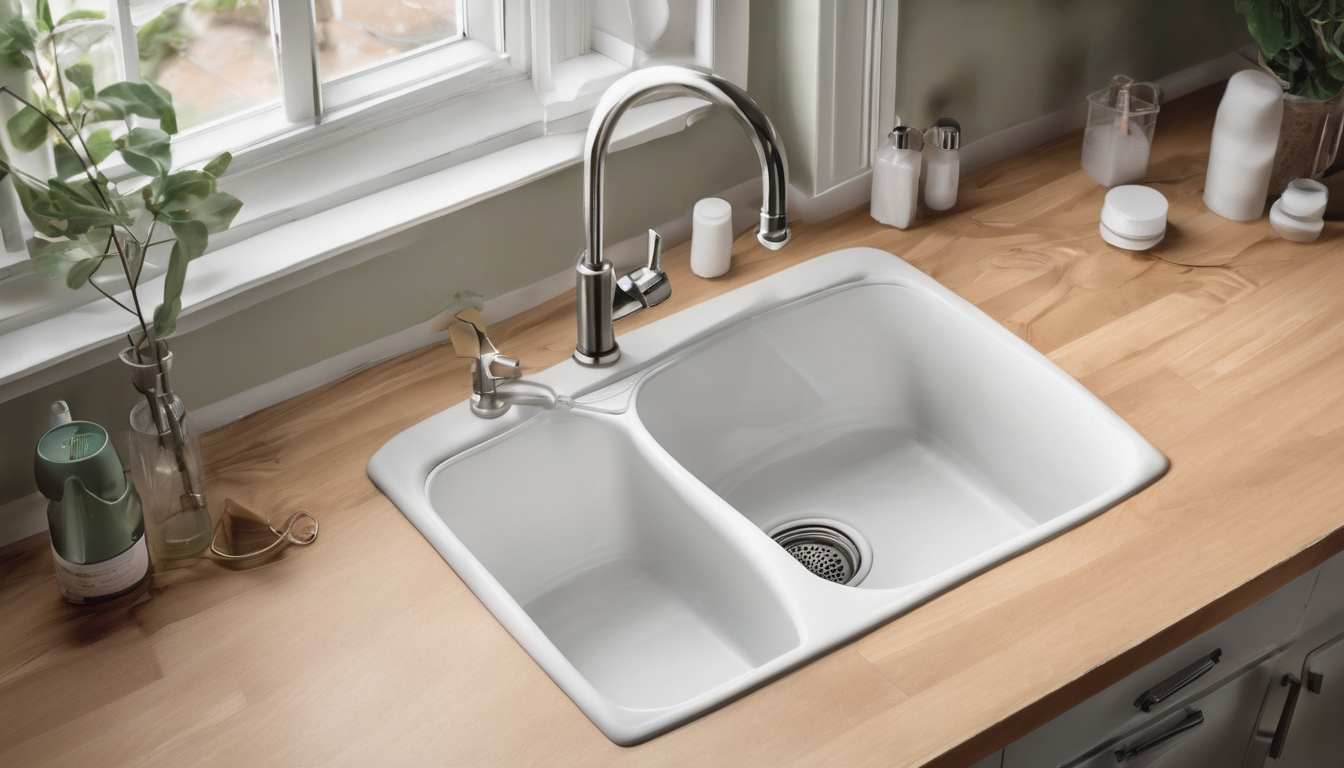
- Easier to install, as they only need space under the kitchen or bathroom sink.
- Can be installed quickly without interrupting other water fixtures in your home.
Cons:
- Treats water from a limited source (one tap).
- Does not provide protection for other areas of the house, such as showers or laundry machines.
Comparing Whole House Filters Vs. Under-sink Filters For: Installation and Costs
The cost difference between whole house filters and under-sink filters can be substantial. Whole house systems often start from AED 15,000 to AED 30,000 or more, depending on the quality of components used and additional features like water softeners. Under-sink filters typically range from AED 2,000 to AED 4,000 per unit.
Installation:
- Whole House Filters: Requires professional installation by a certified plumber due to the complexity of plumbing involved. The cost can range from AED 3,000 to AED 6,000 or more.
- Under-Sink Filters: Can be installed relatively quickly and easily by homeowners with basic plumbing skills. However, professional installation is recommended for optimal results and warranty purposes.
Comparing Whole House Filters Vs. Under-sink Filters For – Efficiency and Performance
The efficiency of water filters depends on the technology used and the specific contaminants they target. Biomimetic membrane technology in both whole house and under-sink filters can effectively remove a wide range of impurities, including bacteria, viruses, and heavy metals. This relates directly to Comparing Whole House Filters Vs. Under-sink Filters For.
Whole House Filters:
- Better for reducing sediment and larger particles that can clog other fixtures.
- More effective against chlorine and chloramines due to their comprehensive treatment area.
Under-Sink Filters:
- Prioritizes taste, odor, and small particulates for drinking water.
- Better suited for filtering fluoride if your local supply contains high levels of this chemical.
Maintenance and Replacement
Maintenance requirements vary between whole house filters and under-sink filters, affecting their overall lifespan and performance.
Whole House Filters:
- Regular maintenance is required to keep the system functioning properly. This includes replacing pre-filters, carbon filters, and membrane elements as needed.
- The lifespan of a whole house filter can range from 2 to 5 years or more, depending on usage and water quality.
Under-Sink Filters:
- Easier to maintain due to their smaller size. Filter elements like activated carbon cartridges are typically replaced every 6 months to 1 year.
- The cost of replacements is generally lower than for whole house filters, making them a more budget-friendly option in the long run.
Compatibility with Water Softeners
Water softeners can work well with both whole house and under-sink filtration systems. However, it’s essential to ensure compatibility between the two systems for optimal performance.
Whole House Filters:
- Can be used with water softeners to remove minerals that could interfere with the softener’s effectiveness.
- May require specific filter elements designed to handle higher mineral content, such as reverse osmosis membranes.
Under-Sink Filters:
- Prioritize taste and odor removal for drinking water. Softeners can be used in conjunction but may not significantly impact their performance.
- Ensure the filter elements are compatible with any minerals present to maintain effectiveness.
Environmental Impact
The environmental footprint of whole house filters and under-sink filters varies based on material usage, energy consumption during operation, and disposal methods.
Whole House Filters:
- Potentially higher initial materials cost due to the larger system components.
- Better for reducing overall water waste by treating all fixtures simultaneously.
Under-Sink Filters:
- Easier to dispose of individual filter elements, leading to less waste per unit.
- Potentially lower energy consumption as they treat a smaller volume of water.
Conclusion and Recommendations
The choice between whole house filters and under-sink filters ultimately depends on your specific needs, budget, and lifestyle. If you prioritize comprehensive protection for all fixtures in your home, a whole house filter may be the best option. For those seeking more affordable and targeted solutions, under-sink filters offer excellent value. When considering Comparing Whole House Filters Vs. Under-sink Filters For, this becomes clear.
Consider these factors to make an informed decision:
- Treatment needs: Do you require a solution that addresses multiple contaminants or is taste and odor removal sufficient?
- Budget constraints: Whole house systems can be more expensive upfront, but under-sink filters offer lower initial costs.
- Usage patterns: How many people use water in your home? A whole house system may provide better value if multiple taps are used regularly.
Expert Tips
- Always consult with a professional plumber to ensure proper installation and compatibility of any filtration systems with existing plumbing.
- Regularly test your water quality using a reliable Water Test Kit to monitor the effectiveness of your chosen system.
- Choose filters that use high-quality, durable materials for long-lasting performance and minimal replacement costs.
Frequently Asked Questions
- Do whole house filters require regular maintenance?
- Can I install an under-sink filter myself?
- How long do whole house filters typically last?
- Are under-sink filters effective for taste and odor removal?
- Can I use a whole house filter with a water softener?
Yes, regular maintenance is necessary to ensure the system functions optimally. This includes replacing pre-filters and membrane elements as recommended by the manufacturer.
While it’s possible for homeowners with basic plumbing skills to install an under-sink filter, professional installation is often recommended to ensure proper setup and warranty eligibility.
The lifespan of a whole house filter can range from 2 to 5 years or more, depending on water quality and usage. Regular maintenance can extend its life. The importance of Comparing Whole House Filters Vs. Under-sink Filters For is evident here.
Yes, many under-sink filters are specifically designed to enhance the taste and reduce odors of drinking water, making them popular choices among homeowners.
Yes, it’s possible to use both systems together. Ensure compatibility between the filtration technology used in each system for optimal performance.
Conclusion
In conclusion, choosing between whole house filters and under-sink filters involves weighing various factors such as cost, maintenance requirements, and treatment needs. By understanding these differences, you can select the right filtration system to meet your specific water quality demands and enhance the overall health of your household. Understanding Comparing Whole House Filters Vs. Under-sink Filters For is key to success in this area.