Table of Contents
Understanding Choosing Between Whole House vs Point of Use Water Filters
Choosing between a whole house water filter system and a point of use (POU) filter can be overwhelming. Both options have their unique benefits, making the decision process crucial for ensuring clean water throughout your home or building.
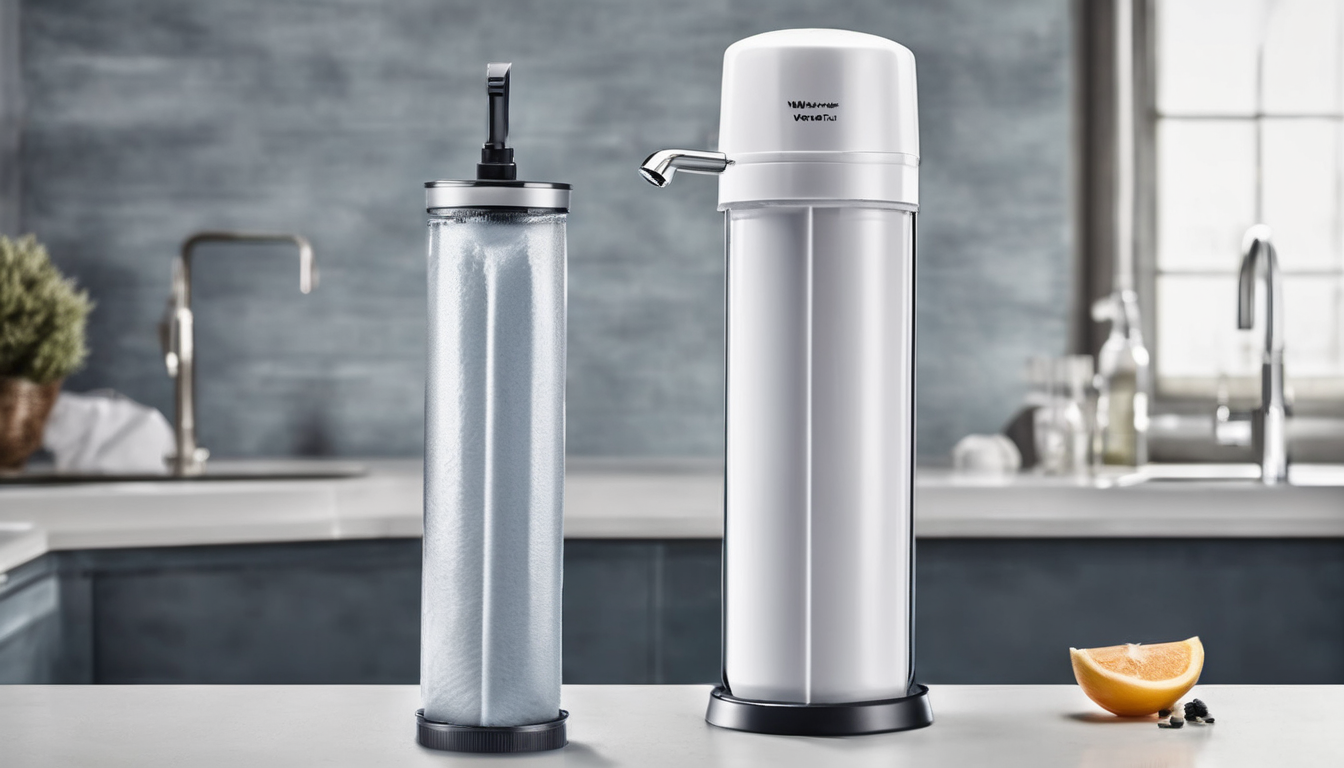
Choosing Between Whole House Vs Point Of Use Water Filters –
Pros and Cons of Both Systems
Let’s break down the pros and cons to help you make an informed choice.
Whole House Water Filter Pros:
- Filters all water entering your home, ensuring consistent quality.
- Reduces contaminants before they can enter any plumbing or appliances.
- Makes every tap in the house a point of use, providing clean water everywhere.
Whole House Water Filter Cons:
- Larger upfront cost compared to POU systems.
- More complex installation and maintenance process.
- May require professional installation, increasing overall expenses.
Point of Use Water Filter Pros:
- Much lower upfront cost compared to whole house systems.
- Easier and quicker to install at specific points of use, such as the kitchen sink or refrigerator.
- Targeted filtration for areas where you need clean water most.
Point of Use Water Filter Cons:
- Not all taps in your home will be filtered, meaning potential exposure to unfiltered water.
- May require frequent replacement or refills, adding ongoing costs.
- Water quality can vary depending on the location of POU filters and plumbing layout.
Whole House Water Filter Systems
Whole house water filter systems are designed to provide clean water throughout your entire home. These systems typically consist of a sediment filter, activated carbon filter, and sometimes reverse osmosis or ion exchange technology. They can be installed at the main point where water enters your property. This relates directly to Choosing Between Whole House Vs Point Of Use Water Filters.
Point of Use Water Filters
Point of use filters are installed directly on specific taps in your home or building. These systems are ideal for areas where you need clean water most, such as the kitchen and bathroom sinks, or refrigerator water dispensers.
Lifestyle and Budget Considerations
Your lifestyle and budget will significantly influence which system is best suited for your needs.
- Whole House Systems: Ideal for families who prioritize consistent, clean water quality throughout their home or property.
- Point of Use Filters: Suitable for individuals with a smaller budget or those only needing clean water at specific locations within the house.
Installation, Maintenance, and Costs
Both systems have different costs associated with installation and maintenance.
- Whole House Systems: Installation can cost AED 30,000 to AED 50,000 depending on the complexity. Regular maintenance includes replacing filters every 6 to 12 months at a cost of AED 1,000 to AED 3,000 per year.
- Point of Use Filters: Installation is typically more affordable, ranging from AED 500 to AED 2,000. Maintenance involves replacing filters every few months or annually, costing AED 100 to AED 400 per year.
Water Test Kit Recommendations for Choosing the Right Filter
To determine which filter is best suited for your home, you should perform water quality testing. This can be done using a comprehensive Water Test Kit that measures various contaminants such as lead, chlorine, and heavy metals.
Which Option is Best for You?
To determine which option is best for your needs, consider the following factors:
- Overall budget.
- Your lifestyle and water usage patterns.
- The quality of water in your area as determined by test results.
- Specific areas where clean water is most needed (e.g., drinking or cooking).
If you have a large family, prioritize consistent clean water throughout the home, and are willing to invest more upfront, a whole house system might be ideal. For smaller families or those with limited budgets, point of use filters can offer targeted solutions without breaking the bank.
Expert Tips on Choosing the Right Filter
Here are some expert tips to guide you through the decision-making process:
- Test your water first: Use a comprehensive Water Test Kit to identify specific contaminants and determine which type of filter is most effective.
- Evaluate your budget: Consider both upfront costs and ongoing maintenance expenses. Whole house systems may have higher initial costs but can save money on overall filtration needs.
- Consult professionals: Seek advice from water quality engineers or certified installers to ensure the right system is selected for your home.
- Check local regulations: Ensure that any filter you choose complies with local water safety standards and regulations.
Frequently Asked Questions (FAQs)
Q1: Are whole house filters better than point of use filters?
A1: The choice depends on your specific needs. Whole house systems provide consistent clean water throughout the home but come with higher upfront costs and more complex installation.
Q2: How do I know which filter to choose for my family?
A2: Test your water quality using a comprehensive Water Test Kit, evaluate your budget, and consider your lifestyle to determine the best solution.
Q3: Can I install both types of filters in my home?
A3: Yes, you can have a combination of whole house and point of use systems. However, this approach increases complexity and costs.
Conclusion
Choosing between a whole house water filter system or a point of use filter involves considering several factors such as budget, lifestyle, and specific water quality needs. By understanding the pros and cons of each option and performing thorough testing, you can select the best solution for your home.