Understanding How Often Should You Replace Your Home Water Filter?
Ensuring the safety and purity of your drinking water is crucial for maintaining a healthy lifestyle. Understanding how often you should replace your home water filter can significantly impact this quality, especially in regions like Dubai where water treatment standards are stringent but may still face challenges. This relates directly to How Often Should You Replace Your Home Water Filter.
Types of Filtration Media
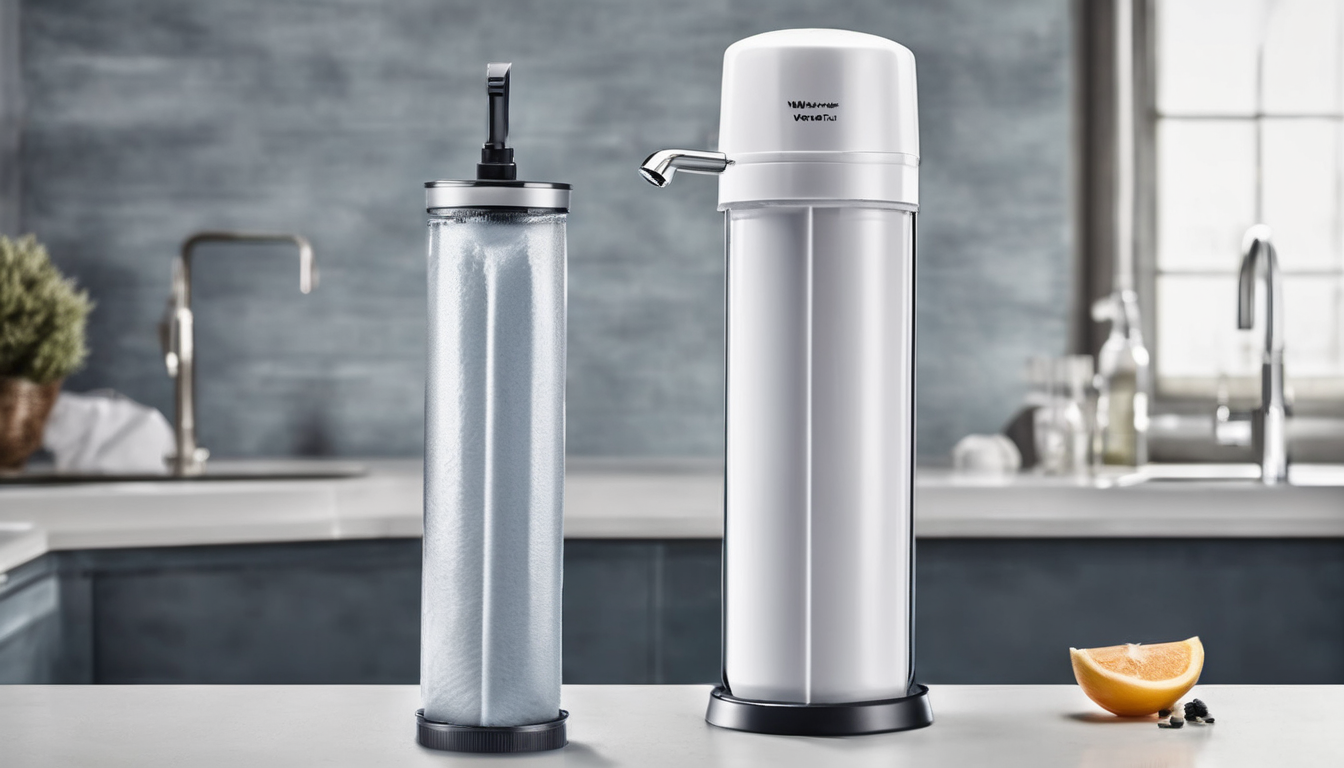
Common types include activated carbon, reverse osmosis membranes, and ceramic filters. Each has unique properties that affect its lifespan:
- Activated Carbon: Typically lasts between six months to two years.
- Reverse Osmosis Membranes: Can last up to five years but require regular maintenance and cleaning.
- Ceramic Filters: Last longer, often up to ten years, but may need occasional replacement of the filter element.
For a comprehensive understanding, consider testing your water using a reliable Water Test Kit. This will help determine if your current filtration system is effective and guide you on when to replace it.
How Often Should You Replace Your Home Water Filter – Impact of Filtration Media on Replacement Frequency
The choice of filtration media directly impacts the frequency at which filters need replacement. For instance, reverse osmosis systems with high-quality membranes can last longer but require more maintenance to ensure optimal performance.
Water Test Kit Readings
Regularly testing your water quality using a Water Test Kit is essential for determining the appropriate replacement schedule. Key parameters include pH, turbidity, and presence of contaminants like lead or arsenic.
How Often Should You Replace Your Home Water Filter – How to Choose the Right Home Water Filter Media
Selecting the right filtration media depends on your specific needs and local water conditions. For instance, if you live in a region with high levels of chlorine or heavy metals, reverse osmosis may be more appropriate.
Local Water Quality
It’s crucial to assess the quality of your tap water before choosing a filtration system. Dubai’s municipal water is treated but can still contain certain contaminants that require additional filtration. Consulting with a local water quality expert or using a comprehensive test kit can provide valuable insights. When considering How Often Should You Replace Your Home Water Filter, this becomes clear.
Whole House vs Point of Use Systems: What’s Best for You?
Determining whether to invest in a whole house system or point of use (POU) filter involves weighing factors such as budget, water usage patterns, and the extent of filtration needed.
Whole House Systems
These systems treat all incoming water, offering comprehensive protection. They are ideal for larger households with diverse water needs but can be more expensive upfront.
Biomimetic Membrane Technology in Action
Biomimetic membranes simulate natural filtration processes to achieve superior purification levels. These advanced technologies are particularly effective against heavy metals and other harmful contaminants, ensuring clean water throughout your home.
Efficiency and Reliability
When choosing a biomimetic membrane, consider its efficiency in rejecting specific contaminants and the manufacturer’s reliability. Regular maintenance and replacement schedules are crucial to maintain performance levels.
Professional Assessment and Replacement Schedule
A professional assessment can provide valuable insights into your current water quality and filtration needs, helping you develop a tailored replacement schedule. This involves evaluating the condition of your existing filters and recommending replacements based on usage data.
Warranty and Maintenance Schedules
Ensure that any system you choose comes with a warranty and clear maintenance guidelines. Regular service can extend the life of your filter, ensuring consistent performance over time. The importance of How Often Should You Replace Your Home Water Filter is evident here.
Expert Tips for Home Water Filter Replacement
- Regular Testing: Use a reliable Water Test Kit to monitor water quality and determine when filters need replacement.
- Professional Installation: Install your system with the help of certified technicians to ensure proper setup and optimal performance.
- Maintenance Schedule: Develop a maintenance schedule that aligns with your household’s water usage patterns and local water conditions.
Frequently Asked Questions About Home Water Filters
- Q: How do I know when to replace my home water filter?A: Regularly test your water quality using a reliable Water Test Kit. When readings indicate that filters need replacement, follow the manufacturer’s guidelines or consult with an expert.
- Q: Is it necessary to replace all parts of a filter at once?A: No, different components may have varying lifespans. Replace only those that are worn out while ensuring compatibility with your system.
- Q: How often should I test my water quality?A: Test at least quarterly, and more frequently if you notice any changes in taste or appearance of the water.
Conclusion: Mastering Your Home Water Filter Cycle
Replacing your home water filter is a critical aspect of maintaining clean and safe drinking water. By understanding the impact of filtration media, choosing the right system, and following expert advice, you can ensure that your family enjoys the best possible water quality.
For further guidance, consider booking a professional assessment to optimize your filtration setup and replacement schedule. Remember, regular maintenance is key to keeping your home’s water supply pristine.
Back to Top Understanding How Often Should You Replace Your Home Water Filter is key to success in this area.